As a core material for achieving color development and decoration, dyes have long transcended mere visual enhancement, permeating numerous fields such as textiles, leather, papermaking, food, cosmetics, coatings, and advanced manufacturing, becoming an indispensable functional element in modern industry and social life.
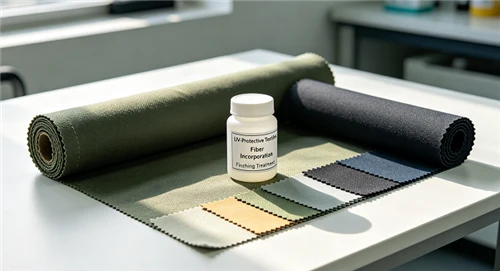
In the textile industry, dyes are the primary means of achieving color expression in clothing, home textiles, and industrial fabrics. Different fiber substrates correspond to specific dye categories: reactive dyes form stable covalent bonds with cellulose fibers such as cotton and linen, ensuring colorfastness; disperse dyes penetrate deep into polyester fibers under high temperatures, meeting the requirements for vibrancy and washability in synthetic fiber fabrics; acid dyes impart bright hues to protein fibers such as wool and silk. Printing and dyeing processes utilize dyes to achieve diversified patterns and mass production, satisfying both fashion aesthetics and supporting the labeling and protective needs of functional textiles.
In the leather and footwear industries, dyes not only provide uniform surface coloring but also improve the visual texture and perceived quality of leather. Acid dyes and metal complex dyes are widely used in this field, combining good penetration and abrasion resistance to ensure color stability of finished products over long-term use. The paper industry utilizes direct or basic dyes to impart rich colors to paper for personalized presentation in packaging, decoration, and cultural paper products, while also using color to distinguish batches and specifications of functional paper products.
In the food and cosmetics sectors, certain categories of edible and cosmetic dyes must meet stringent safety standards to ensure they are non-toxic and non-allergenic. They are used for color matching in confectionery and beverages and for color shaping in cosmetic products, balancing sensory appeal and regulatory compliance. The coatings and inks industry incorporates solvent-based or water-based dyes into formulations to achieve durable color development and special visual effects in automotive painting, architectural decoration, printing, and publishing.
In emerging application scenarios, the photoelectric conversion, sensing, and anti-counterfeiting functions of dyes are increasingly prominent. For example, some organic dyes can be used as photosensitive layer materials in solar cells or to monitor temperature and humidity changes in smart packaging with reversible color-changing properties; fluorescent and phosphorescent dyes construct multiple anti-counterfeiting barriers in document and brand protection.
Overall, the applications of dyes are expanding from traditional decorative color development to functional and intelligent uses. Guided by green, low-carbon, and sustainable development, the industry continues to optimize the environmental compatibility and energy efficiency of dyes, striving to meet diverse color needs while promoting high quality and eco-friendliness across various fields.