


Your Professional Dyes Supplier
INNO-CHEM is a professional manufacturer and exporter of dyes, chemicals, textile auxiliaries, and TPU films in China. Our main products include disperse, reactive, acid, direct, vat, solvent, and cationic dyes, as well as dye intermediates and specialty chemicals. These products are widely used in textile dyeing, printing, inks, plastics, leather, coatings, and polymer processing.
Advanced Production System
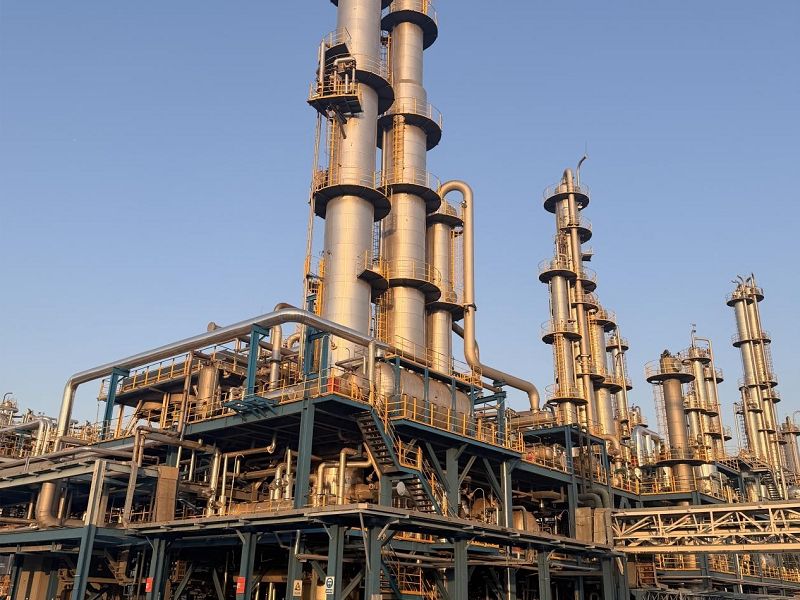
Equipped with automated production lines, DCS control systems, spray drying towers, and testing laboratories to ensure stable quality and efficient manufacturing.
Strict Quality Control
Each batch is tested by HPLC, GC, and other inspection equipment to ensure purity, consistency, and reliable application performance.
Global Export Experience
Products are exported to Southeast Asia, the Middle East, South America, Japan, and South Korea with strong market recognition and stable cooperation.
24/7 Online Support
Use our online customer service window for any inquiries. We guarantee a 24-hour response time and ensure you never face delays due to communication gaps.
-
![Disperse Yellow 54]() Disperse Yellow 54
Disperse Yellow 54PRODUCT NAME: Disperse Yellow 54
TYPE: Disperse Normal Series
CAS NO: 75216-45-4
MOQ: 25KG
PACKAGE: Carton -
![Disperse Red 60]() Disperse Red 60
Disperse Red 60PRODUCT NAME: Disperse Red 60
TYPE: Disperse Normal Series
CAS NO: 12223-37-9
MOQ: 25KG
PACKAGE: Carton -
![Disperse Blue 56]() Disperse Blue 56
Disperse Blue 56PRODUCT NAME: Disperse Blue 56
TYPE: Disperse Normal Series
CAS NO: 12217-79-7
MOQ: 25KG
PACKAGE: Carton -
![Disperse Black ECO]() Disperse Black ECO
Disperse Black ECOPRODUCT NAME: Disperse Black ECO
TYPE: Disperse Normal Series
CAS NO: 51811-42-8
MOQ: 25KG
PACKAGE: Carton -
![Disperse Blue ECO]() Disperse Blue ECO
Disperse Blue ECOPRODUCT NAME: Disperse Blue ECO
TYPE: Disperse Normal Series
CAS NO: 482-89-3
MOQ: 25KG
PACKAGE: Carton -
![Disperse Blue 79]() Disperse Blue 79
Disperse Blue 79PRODUCT NAME: Disperse Blue 79
TYPE: Disperse Normal Series
CAS NO: 12239-34-8
MOQ: 25KG
PACKAGE: Carton -
![Disperse Orange 30]() Disperse Orange 30
Disperse Orange 30PRODUCT NAME: Disperse Orange 30
TYPE: Disperse Normal Series
CAS NO: 5261-31-4
MOQ: 25KG
PACKAGE: Carton -
![Disperse Red 167:1]() Disperse Red 167:1
Disperse Red 167:1PRODUCT NAME: Disperse Red 167:1
TYPE: Disperse Normal Series
CAS NO: 61968-55-8
MOQ: 25KG
PACKAGE: Carton -
![Disperse Blue WECT]() Disperse Blue WECT
Disperse Blue WECTPRODUCT NAME: Disperse Blue WECT
TYPE: Disperse Economical High Fastness Series
CAS NO: 6250-37-7
MOQ: 25KG
PACKAGE: Carton -
![Disperse Black WECT]() Disperse Black WECT
Disperse Black WECTPRODUCT NAME: Disperse Black WECT
TYPE: Disperse Economical High Fastness Series
CAS NO: N/A
MOQ: 25KG
PACKAGE: Carton -
![Disperse Navy WECT]() Disperse Navy WECT
Disperse Navy WECTPRODUCT NAME: Disperse Navy WECT
TYPE: Disperse Economical High Fastness Series
CAS NO: N/A
MOQ: 25KG
PACKAGE: Carton -
![Disperse Blue 60 MIX]() Disperse Blue 60 MIX
Disperse Blue 60 MIXPRODUCT NAME: Disperse Blue 60 MIX
TYPE: Disperse Custom Mixed Series
CAS NO: N/A
MOQ: 25KG
PACKAGE: Carton


Parameter
|
Fastness to Washing |
4-5 |
|
Fastness to Light |
4-5 |
|
Fastness to Sublimation |
3-5 |
|
Fastness to Wet Rubbing |
4-5 |
|
Fastness to Dry Rubbing |
4-5 |
|
PH Stability |
4-8 |
|
Applicable Fibers |
Dyeing of synthetic fibers such as polyester and acetate and their blends |
Types of Dyes
The dyes produced by our company mainly include the following types:
Disperse Dyes
Disperse dyes are a class of non-ionic, water-insoluble dyes specifically designed for polyester dyeing and other hydrophobic synthetic fibers.
Solvent Dyes
Solvent dyes are organic colorants that dissolve in organic solvents rather than water. They are specifically designed for coloring non-aqueous substrates including plastics, inks, coatings, and waxes, offering vibrant, transparent coloration with excellent solubility in organic media.
Reactive Dyes
Reactive dyes are the only dye class that forms a permanent covalent bond with the fiber — the dye literally becomes part of the fabric.
Vat Dyes
When a fabric must survive industrial laundering, prolonged sun exposure, chlorine bleach, and harsh chemicals — vat dyes are the answer.
Advantages of Dyes

Complete color spectrum: Virtually any color can be formulated
Designable functional structures: Specific molecular structures can be designed for light, heat, and chemical resistance


High coloring strength: Effective in small quantities
Cost-effective: Suitable for large-scale industrial production

Remarkable Service


Food and beverage industry
Dyes are widely employed in the food and beverage industry to enhance the visual appeal of products and make them more enticing. From colorful candies and beverages to vibrant frosting and food decorations, dyes add an element of excitement to dining experiences.
Industrial applications
Beyond aesthetics, dyes play a crucial role in numerous industrial applications. For instance, in the textile industry, dyes are employed for coloration, printing, and finishing processes. Dyes are also used in the production of plastics, leather, and paper, providing durability and colorfastness.
Forensic science and security
Dyes have become indispensable in forensic science, aiding in crime scene investigations and evidence analysis. Forensic scientists utilize dyes to enhance the visibility of fingerprints, bloodstains, and other types of evidence.
Medical diagnostics
Dyes play a important role in medical diagnostics, particularly in procedures such as staining and labeling. Histological staining techniques involve the use of dyes to enhance the visibility of specific tissue components under a microscope, aiding in disease diagnosis and research.
Sensing and detection
Dyes possess unique properties that allow them to act as sensors and indicators in various applications. Fluorescent dyes, for example, can be utilized in biological assays, environmental monitoring, and chemical analysis. Their ability to emit light of specific wavelengths upon excitation makes them valuable tools for detecting and quantifying specific substances or conditions.
Pigments VS Dyes
|
Category of difference |
Dyes |
Pigments |
|
Solubility |
Soluble |
Insoluble |
|
Lightfastness |
Vulnerable to fading |
Resistant against fading |
|
Bonding |
Functional groups bond between dye and substrate |
Functional groups do not bond; typically requires a binder. |
|
Structure during application |
Structure alters |
Retains particulate form |
|
Combustion properties |
Often combustible |
Relatively less combustible |
|
Chemical properties |
Typically organic |
Typically (but not always) inorganic |
|
Longevity |
Shorter |
Longer |
Precautions for Storing Dyes
Ideal Temperature Ranges
Most dyes perform best when stored at temperatures between 50°F to 70°F (10°C to 21°C). Avoid storing dyes in areas prone to temperature fluctuations.
Optimal Humidity Levels
Aim to keep humidity levels below 50% to prevent dyes from absorbing moisture. Using dehumidifiers can help maintain the ideal environment.
Preventing Moisture Damage
Store dyes in moisture-proof containers and consider using silica gel packets to absorb excess moisture.
Protecting Dyes from Light
Prolonged exposure to light can cause dyes to fade or break down chemically. This is particularly true for natural dyes.
Avoiding Contamination
Store dyes in clean, sealed containers and handle them with clean, dry tools. Avoid using the same scoop for different dyes to prevent cross-contamination.
Regular Inspection
Regularly inspecting your dye storage can help catch issues like leaks, contamination, or degradation early.
Customizable Options
|
Type |
Liquid, Powder, Paste |
|
Color |
Red, Blue, Green, Black, White, Custom |
|
Finish |
Matte, Glossy, Metallic, Pearl |
|
Packaging |
Bottle, Jar, Dropper, Bulk Pack |
Packaging and Shipping
|
Packaging |
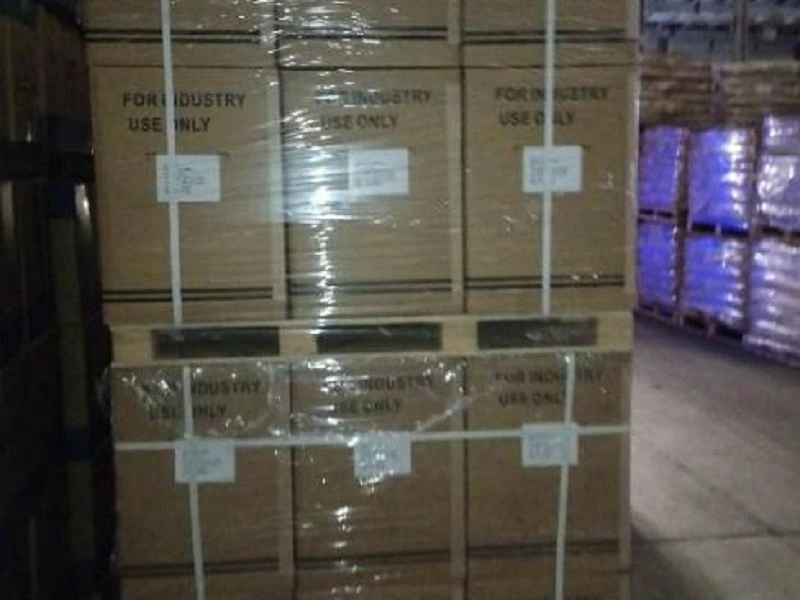
Packaged in barrels, cartons, or bags |
|
Shipping |
By sea |
Our Factory
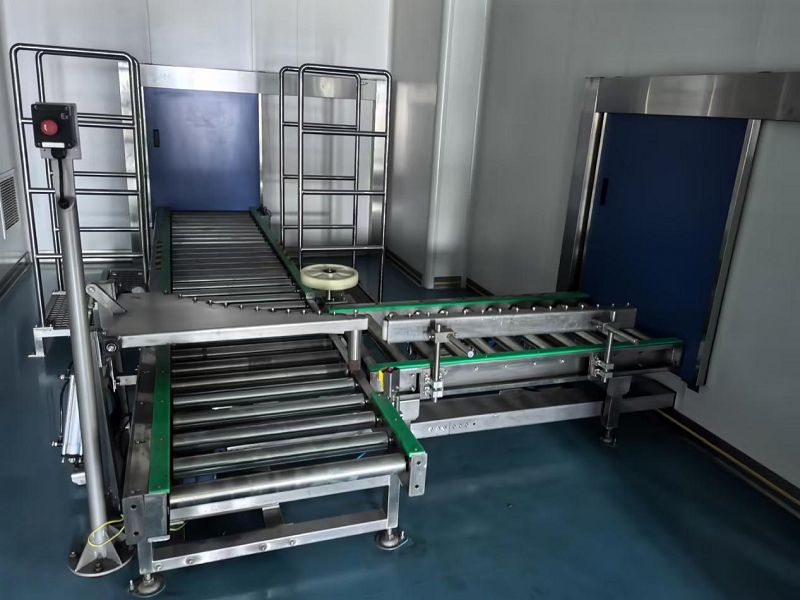
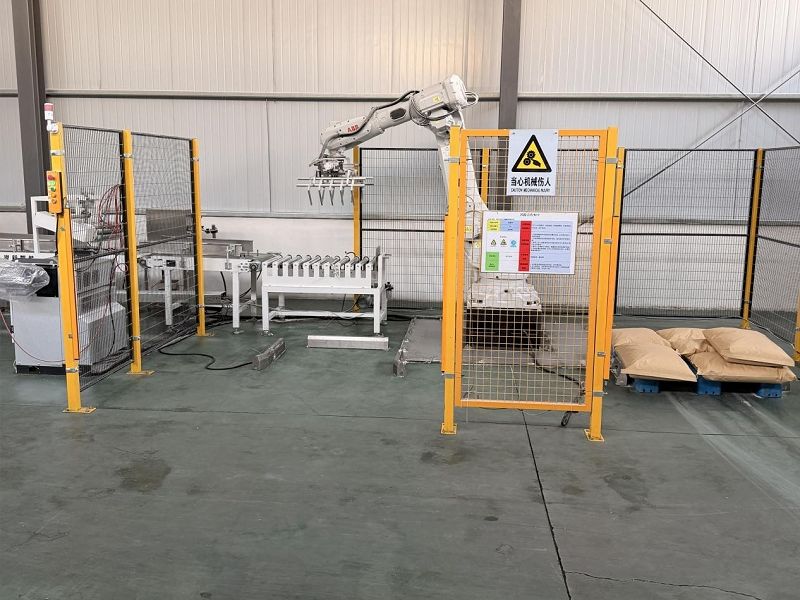
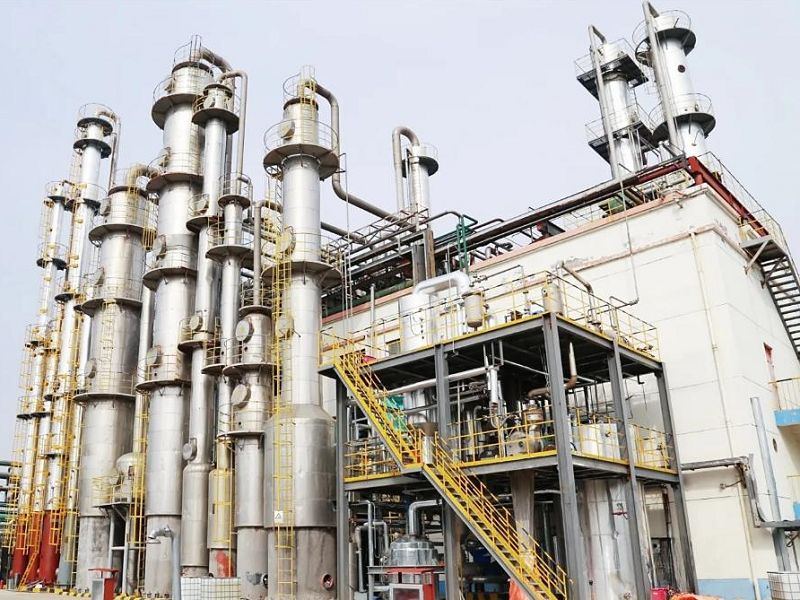
We have a production base with hundreds of workers on the production line, equipped with advanced equipment and manufacturing technology. We produce over 30,000 tons of dyes and auxiliary products annually, including 12,000 tons of disperse dyes and 15,000 tons of direct, acid, and basic dyes.

Our Certificates

FAQ
As one of the most professional dyes manufacturers and suppliers in China, we offer a wide range of products with superior quality. Please feel free to buy high-grade dyes made in China here from our factory. For price consultation, contact us.


