


Acid Dyes
Acid dyes are water-soluble, anionic dyes designed primarily for protein and polyamide fibers. Containing sulfonic acid groups (-SO₃H), they form ionic bonds with positively charged amino groups in wool, silk, and nylon under acidic to neutral conditions. This chemistry makes acid dyes the standard choice for protein fiber dyeing worldwide.
-
![Acid Yellow 11]() Acid Yellow 11
Acid Yellow 11PRODUCT NAME: Acid Yellow 11
TYPE: Acid Dyes for Wool
CAS NO: 6359-82-6
MOQ: 25KG
PACKAGE: Carton -
![Acid Red 1]() Acid Red 1
Acid Red 1PRODUCT NAME: Acid Red 1
TYPE: Acid Dyes for Wool
CAS NO: 3734-67-6
MOQ: 25KG
PACKAGE: Carton -
![Acid Black 24]() Acid Black 24
Acid Black 24PRODUCT NAME: Acid Black 24
TYPE: Acid Dyes for Wool
CAS NO: 3071-73-6
MOQ: 25KG
PACKAGE: Carton -
![Acid Black 172]() Acid Black 172
Acid Black 172PRODUCT NAME: Acid Black 172
TYPE: Acid Dyes for Nylon
CAS NO: 61847-77-6/57696-14-8
MOQ: 25KG
PACKAGE: Carton -
![Acid Red 249]() Acid Red 249
Acid Red 249PRODUCT NAME: Acid Red 249
TYPE: Acid Dyes for Nylon
CAS NO: 6416-66-6/109181-04-6
MOQ: 25KG
PACKAGE: Carton -
![Acid Orange 7]() Acid Orange 7
Acid Orange 7PRODUCT NAME: Acid Orange 7
TYPE: Acid Dyes for Nylon
CAS NO: 633-96-5/573-89-7
MOQ: 25KG
PACKAGE: Carton -
![Acid Blue 127:1]() Acid Blue 127:1
Acid Blue 127:1PRODUCT NAME: Acid Blue 127:1
TYPE: Acid Dyes for Nylon
CAS NO: 25826-86-0/25826-34-0/31353-92-1
MOQ: 25KG
PACKAGE: Carton


Your Professional Dyes Supplier
INNO-CHEM is a professional manufacturer and exporter of dyes, chemicals, textile auxiliaries, and TPU films in China. Our main products include disperse, reactive, acid, direct, vat, solvent, and cationic dyes, as well as dye intermediates and specialty chemicals. These products are widely used in textile dyeing, printing, inks, plastics, leather, coatings, and polymer processing.
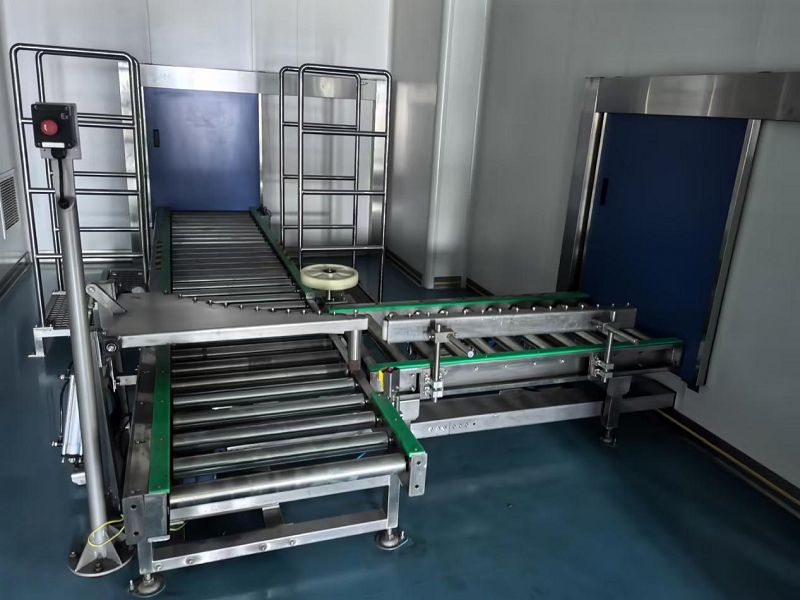
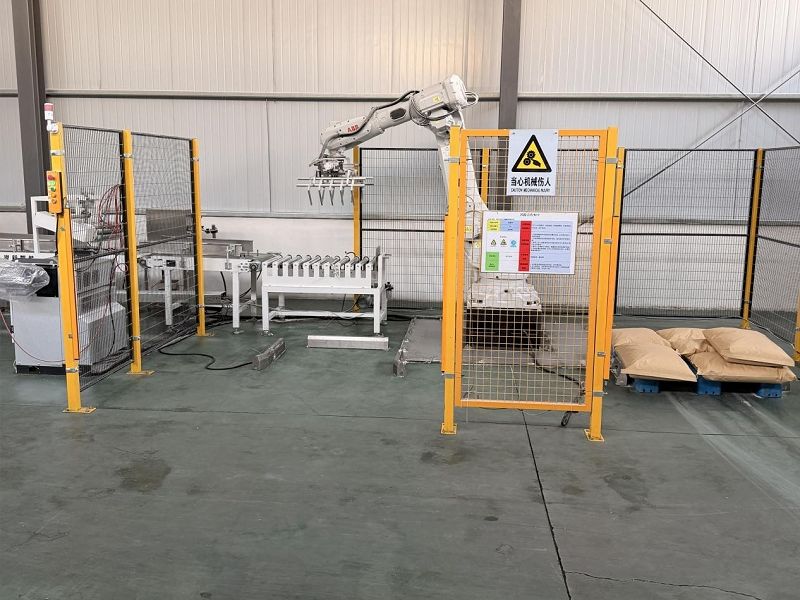
Advanced Production System
Equipped with automated production lines, DCS control systems, spray drying towers, and testing laboratories to ensure stable quality and efficient manufacturing.
Strict Quality Control
Each batch is tested by HPLC, GC, and other inspection equipment to ensure purity, consistency, and reliable application performance.
Global Export Experience
Products are exported to Southeast Asia, the Middle East, South America, Japan, and South Korea with strong market recognition and stable cooperation.
24/7 Online Support
Use our online customer service window for any inquiries. We guarantee a 24-hour response time and ensure you never face delays due to communication gaps.
Parameter
|
Fastness to Washing |
5 |
|
Fastness to Light |
5-6 |
|
Fastness to Perspiration |
5 |
|
Fastness to Wet Rubbing |
4-5 |
|
Fastness to Dry Rubbing |
5 |
|
Staining Depth |
2 |
|
Applicable Fibers |
Wool, silk, nylon (polyamide), leather |
Advantages of Acid Dyes

Bright colors and complete color spectrum
They can produce very bright and saturated colors, especially reds, blues, and purples.

Good leveling properties
By controlling pH and temperature, uniform dyeing results can be obtained.

Diverse wet fastness
Different types of acid dyes have a wide range of wet fastness, ranging from average to excellent.

Relatively simple process
The dyeing method is direct and easy to operate.
Common Methods for Dyeing with Acid Dyes
Immersion Dyeing
This classic technique involves submerging your fibers in the dyebath, resulting in solid, even colors.
Hand-painting
For a more artistic approach, hand-painting dyes onto fibers using brushes or squirt bottles can yield stunning, one-of-a-kind patterns.
Tie-dyeing
Embrace the groovy vibes of tie-dye by folding, twisting, and binding your fibers before dyeing, creating mesmerizing swirls and designs.
Gradient Dyeing
Achieve a seamless transition of colors by carefully controlling the dye absorption and manipulation of your fibers.
Properties
The Properties of Acid Dyes define their performance across different industrial applications.
1.Water Solubility: Easily dissolves for uniform dye bath preparation
2.Affinity for Protein and Nylon Fibres: Strong bonding capability ensures effective dye uptake
3.Wide Shade Range: Capable of producing bright to deep tones
4.Controlled Dyeing Behaviour: Enables consistent results under regulated conditions
5.Moderate to High Fastness: Performance varies depending on dye type and application
Application
1.Textile Industry:
1)Wool, silk, and nylon dyeing
2)Apparel, carpets, and upholstery fabrics
3)Fashion and technical textiles
2.Leather Industry:
1)Dyeing of leather goods such as footwear and accessories
2)Uniform colour penetration across surfaces
3.Paper and Packaging:
1)Colouring specialty papers
2)Decorative and functional paper products
Ordering Process
Inquiry
1
>>
Quotation
2
>>
Communication
3
>>
Order confirming
4
>>
Deposit payment
5
>>
Production
6
Testing and debugging
7
>>
Balance payment
8
>>
Packing
9
>>
Delivery
10
>>
Customer receiving
11
>>
After service
12
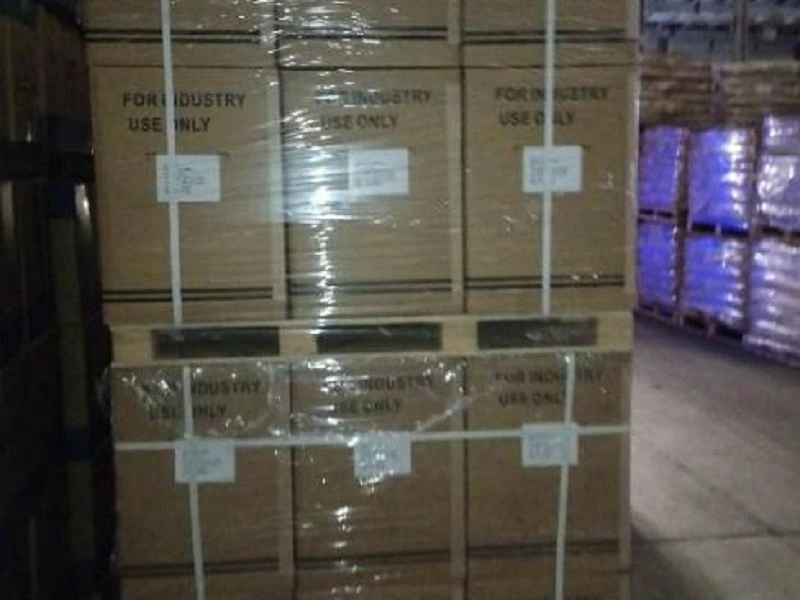
Packaging and Shipping
|
Packaging |
Packaged in barrels, cartons, or bags |
|
Shipping |
By sea |
Our Factory
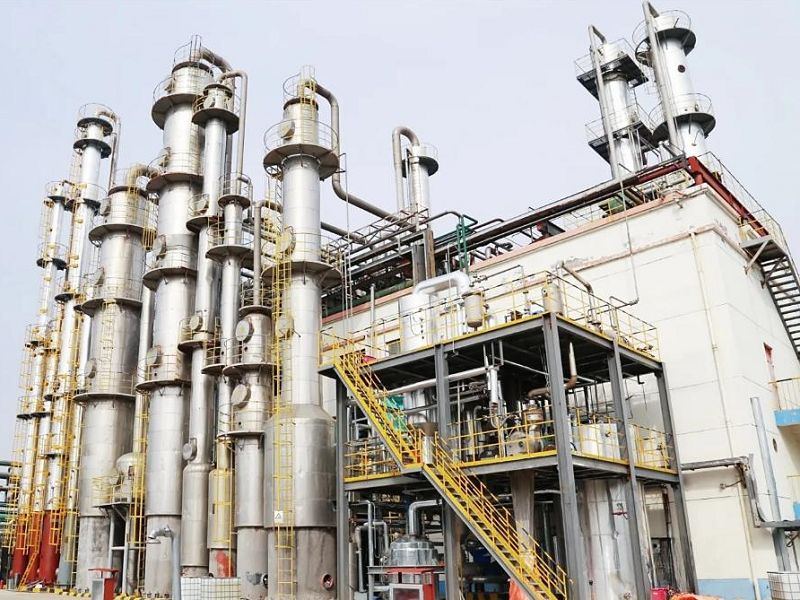
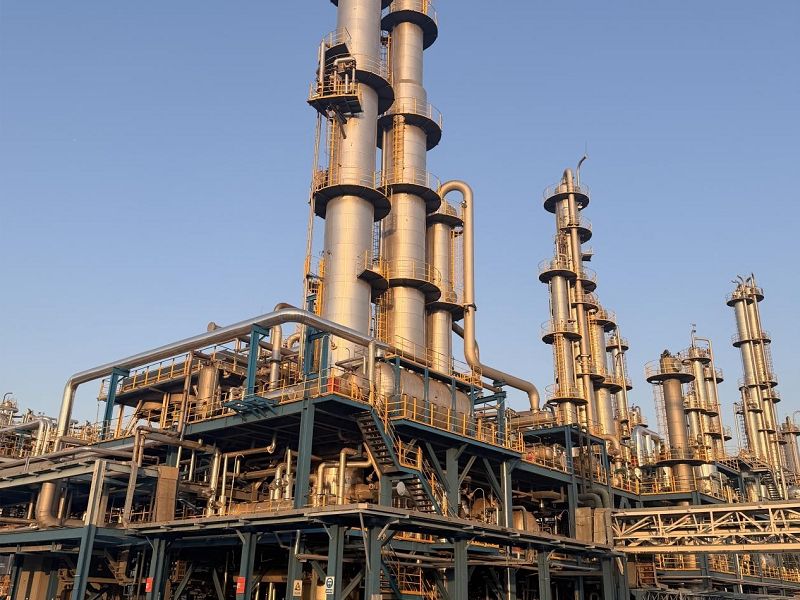
We have a production base with hundreds of workers on the production line, equipped with advanced equipment and manufacturing technology. We produce over 30,000 tons of dyes and auxiliary products annually, including 12,000 tons of disperse dyes and 15,000 tons of direct, acid, and basic dyes.

Our Certificates

FAQ
As one of the most professional acid dyes manufacturers and suppliers in China, we offer a wide range of products with superior quality. Please feel free to buy high-grade acid dyes made in China here from our factory. For price consultation, contact us.


