



Product Introduce
|
Product Name |
Ethylene Glycol (EG) |
|
Synonyms |
1,2-Ethanediol, Monoethylene Glycol (MEG), Glycol |
|
CAS NO. |
107-21-1 |
|
EINECS NO. |
203-473-3 |
|
Molecular Formula |
C2H6O2 |
|
Molecular Weight |
62.07 |
|
Appearance |
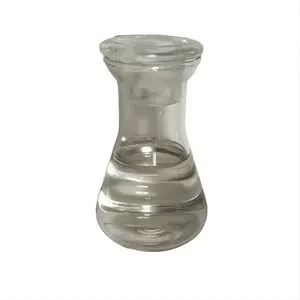
Clear and transparent,free of mechanical impurities |
Ethylene glycol, also known as glycol or water spirit, is one of the simplest diols. At room temperature, it is a colorless, odorless, transparent, sweet-tasting, viscous liquid. It has low volatility, a high flash point, and greater hygroscopicity than glycerol. It is slightly soluble in diethyl ether, mixes with water in any proportion, and can significantly lower the freezing point of water. Ethylene glycol is not highly toxic, but ingesting excessive amounts can be fatal.
The ethylene glycol we produce has a purity of 99.5% or higher; when it contains iron impurities, it appears yellow or brown.
Products Specifications
|
Inspection Item |
Unit |
Specification |
Result |
|
MEG |
wt% |
≥99.9 |
99.93 |
|
DEG |
wt% |
≤0.05 |
0.005 |
|
Density |
g/cm3 |
1.1128-1.1138 |
1.1131 |
|
Pt-Co,Before heating |
≤5 |
<5 |
|
|
Pt-Co,Add hydrochloric acid and heat |
≤20 |
<20 |
|
|
Moisture Content |
wt% |
≤0.08 |
0.04 |
|
Acidity |
mg/kg |
≤10 |
6.15 |
|
Aldehyde |
mg/kg |
≤6 |
0.4 |
|
Ash |
mg/kg |
≤10 |
5 |
|
Fe |
mg/kg |
≤0.1 |
0.02 |
|
IBP |
℃ |
≥196 |
197.2 |
|
FBP |
℃ |
≤199 |
197.8 |
|
220nm UV |
≥80 |
93.4 |
|
|
250nm UV |
Actual measurement |
97.6 |
|
|
275nm UV |
≥92 |
98.7 |
|
|
350nm UV |
≥99 |
99.9 |
|
|
Chloride ion |
mg/kg |
≤0.5 |
<0.5 |
Application
Ethylene glycol (MEG) is an important chemical raw material, primarily used in the production of polyester resin products (including polyester fibers, films, and PET bottles).
Ethylene glycol solutions can be used as antifreeze for automobiles, aircraft, and ships. When ethylene glycol is added to water, the freezing point decreases; a 58% (by mass) aqueous solution of ethylene glycol has a freezing point of -48°C. At concentrations lower or higher than this, the freezing point actually increases.
Ethylene glycol can also be used directly to decolorize waste polyester fabrics. At 180°C, with a mass ratio of fabric to ethylene glycol of 1:20 and a treatment time of 40 minutes, the decolorization rate can reach as high as 93.64%. Even when reusing spent ethylene glycol, the decolorization rate can still exceed 90%.
Ethylene glycol is also used in ink pads for hydraulic brakes, ballpoint pens, and inks for printing shops.
Ethylene glycol can also be used as a lubricant in tobacco products and cosmetics.
Handing and Storage
1.Handing:
Avoid contact with skin,eyes,and clothing.
Use only in well-ventilated areas.
Wash hands thoroughly after handing.
2.Storage:
Store in cool,dry,well-ventilated warehouses.
Keep containers tightly closed.
Store away from incompatible materials(strong oxidizers,strong acids).
FAQ
Q: How does ethylene glycol behave in the environment?
A: Runoff from de-icing agents used on airplanes and runways at airports is the primary source of ethylene glycol in the environment. In addition, ethylene glycol can enter the environment through the disposal of products containing it. In the air, ethylene glycol breaks down in about ten days, while ethylene glycol in water and soil breaks down within a few days to several months.
Q: What are the health effects of ethylene glycol?
A: Ingesting or accidentally swallowing small amounts of ethylene glycol generally does not cause serious health problems (such as when fingers get wet from using antifreeze and are then put in the mouth). However, accidental or intentional ingestion of large amounts of ethylene glycol can lead to severe illness or death. When ethylene glycol is broken down in the body, it forms chemical crystals that can accumulate in the kidneys and impair kidney function. It also produces an acidic chemical in the body that can disrupt the body's acid-base balance and affect the nervous system, lungs, and heart. For individuals who have ingested large amounts of ethylene glycol, prompt diagnosis and treatment result in a high survival rate.
Q: How likely is it that ethylene glycol causes cancer?
A: The Department of Health and Human Services (DHHS), the International Agency for Research on Cancer (IARC), and the U.S. EPA have not classified ethylene glycol as a carcinogen. Studies on humans exposed to ethylene glycol have not shown it to be carcinogenic, nor have animal studies indicated that this chemical is a carcinogen.

Exhibitions

Hot Tags: ethylene glycol, China ethylene glycol manufacturers, suppliers, factory


