


Your Professional Fine Chemicals Supplier
INNO-CHEM is a professional manufacturer and exporter of dyes, chemicals, textile auxiliaries, and TPU films in China. Our main products include disperse, reactive, acid, direct, vat, solvent, and cationic dyes, as well as dye intermediates and specialty chemicals. These products are widely used in textile dyeing, printing, inks, plastics, leather, coatings, and polymer processing.
Advanced Production System
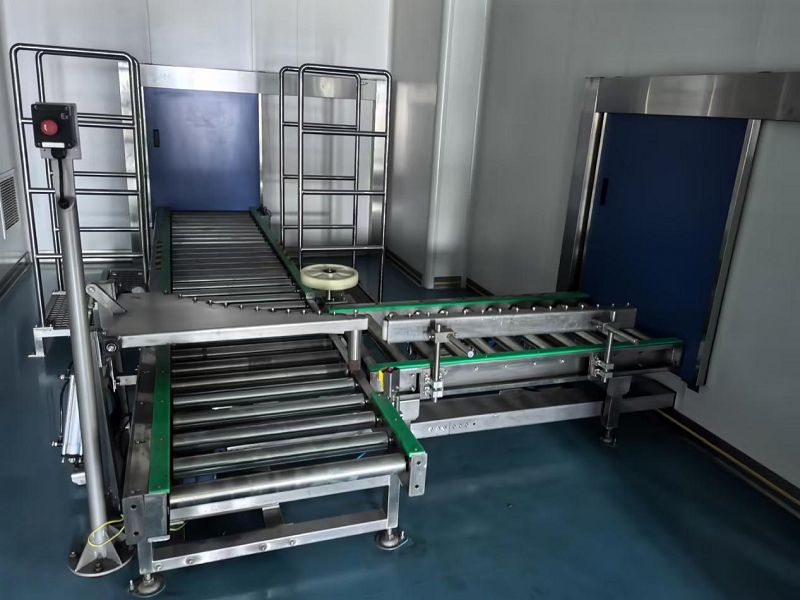
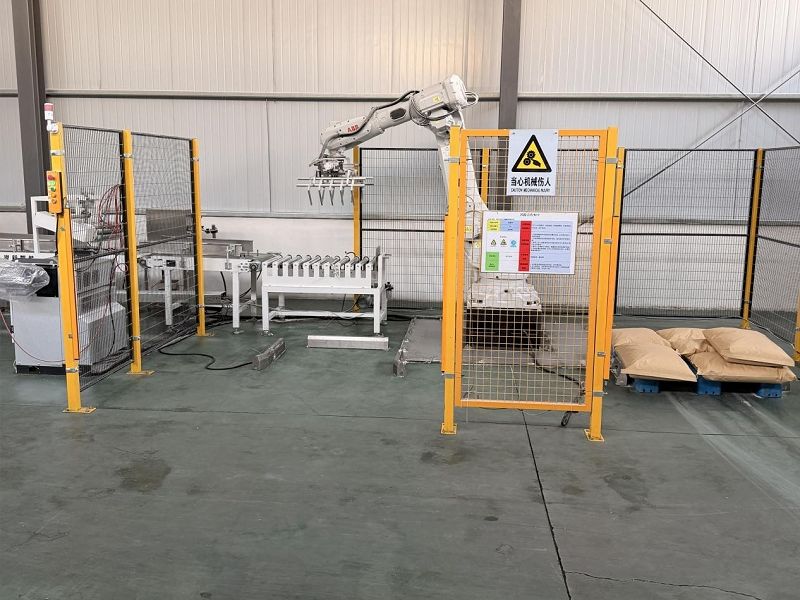
Equipped with automated production lines, DCS control systems, spray drying towers, and testing laboratories to ensure stable quality and efficient manufacturing.
Strict Quality Control
Each batch is tested by HPLC, GC, and other inspection equipment to ensure purity, consistency, and reliable application performance.
Global Export Experience
Products are exported to Southeast Asia, the Middle East, South America, Japan, and South Korea with strong market recognition and stable cooperation.
24/7 Online Support
Use our online customer service window for any inquiries. We guarantee a 24-hour response time and ensure you never face delays due to communication gaps.
-
![Ethylhexylglycerin]() Ethylhexylglycerin
EthylhexylglycerinCAS NO:70445-33-9. TYPE:Cosmetic Grade. MOQ: 200KG. PACKAGE: Drum.
-
![Phenoxyethanol]() Phenoxyethanol
PhenoxyethanolCAS NO:122-99-6. TYPE:Cosmetic Grade. MOQ: 200KG. PACKAGE: Drum.
-
![Dipropylene Glycol]() Dipropylene Glycol
Dipropylene GlycolCAS NO:25265 -71 -8. TYPE:Flavor & Fragrance Grade. MOQ: 200KG. PACKAGE: Drum.
-
![Pentylene Glycol]() Pentylene Glycol
Pentylene GlycolCAS NO:5343-92-0. TYPE:Cosmetic Grade. MOQ: 200KG. PACKAGE: Drum.
-
![1,2-Hexanediol]() 1,2-Hexanediol
1,2-HexanediolCAS NO:6920-22-5. TYPE:Cosmetic Grade. MOQ: 200KG. PACKAGE: Drum.
-
![1,3-Butylene Glycol]() 1,3-Butylene Glycol
1,3-Butylene GlycolCAS NO:107-88-0. TYPE:Cosmetic Grade. MOQ: 200KG. PACKAGE: Drum.
-
![Butyl Levulinate]() Butyl Levulinate
Butyl LevulinateTYPE:Levulinic Acid Series. CAS NO:2052-15-5. MOQ: 200KG. PACKAGE: Bucket.
-
![Ethyl Levulinate]() Ethyl Levulinate
Ethyl LevulinateTYPE:Levulinic Acid Series. CAS NO:539-88-8. MOQ: 200KG. PACKAGE: Bucket.
-
![Levulinic Acid]() Levulinic Acid
Levulinic AcidTYPE:Levulinic Acid Series. CAS NO:123-76-2. MOQ: 200KG. PACKAGE: Bucket.
-
![Propylene Glycol]() Propylene Glycol
Propylene GlycolTYPE: Industrial Grade. CAS NO: 57-55-6. MOQ: 25KG. PACKAGE: Drum.
-
![Food Additive Propylene Glycol]() Food Additive Propylene Glycol
Food Additive Propylene GlycolTYPE: Food Grade. CAS NO: 57-55-6. MOQ: 25KG. PACKAGE: Drum.
-
![Propylene Glycol USP]() Propylene Glycol USP
Propylene Glycol USPTYPE: USP. CAS NO: 57-55-6. MOQ: 25KG. PACKAGE: Drum.


Parameter
|
Product Name |
Food additive Propylene Glycol |
Propylene Glycol(USP) |
|
Type |
Food Grade |
USP |
|
CAS No. |
57-55-6 |
57-55-6 |
|
Chemical Formula |
C3H8O2 |
C3H8O2 |
|
Density |
1.036 g/cm3 |
1.036 g/cm3 |
|
Appearance |
Clear or Colorless Liquid |
Clear or Colorless Liquid |
|
Shelf Life |
24 months |
24 months |
|
Hazard Statement |
Non-hazardous |
Non-hazardous |
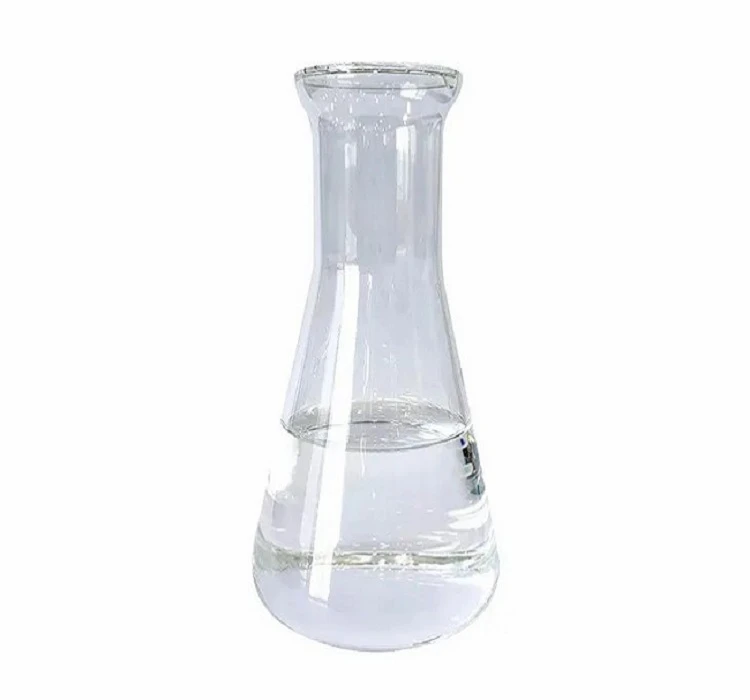
Types of Chemical Products
The chemical products produced by our company mainly include the following types:
Textile Chemicals
Textile chemicals are specialized substances used throughout the manufacturing process of fabrics to improve their quality, appearance, durability, and functionality.
Industrial Chemicals
Industrial chemicals are substances produced or used in manufacturing, processing, and industrial operations.
Aroma Chemicals
Aroma Chemicals refer to chemical substances that impart odor. They are often highly volatile which makes sense since their purpose is to provide scent or flavor.
Features of Chemical Products
Reactivity
The readiness of a substance to react with other elements or compounds (e.g., reactivity with water, acids, or oxygen).
Flammability & Flash Point
A product’s ability to ignite and the lowest temperature at which it produces ignitable vapors.
Toxicity
The degree to which a substance can damage an organism, often measured by exposure thresholds.
pH Level
Indicates the acidity or basicity of a water-based product, directly affecting its reactivity and biological impact.
Corrosiveness/Oxidation
The ability of a chemical to degrade or oxidize other materials, such as metals.
Insecticides
Pesticides and insecticides are chemical compounds that are widely used to destroy insects, pests, rodents, weeds, and fungi. There are more than 1000 various pesticides used over the globe. Chemicals are used when you use insecticides to save your crops and plants from pests or insects.
Cleaning Products
When you use detergents to clean your clothes, they consist of a surface-active substance, also known as the active surfactant. It can help in the reduction of surface tension of water to easily blend with the fat or oil. Detergents can be used to wash clothes since they help in dirt removal with the chemicals present in them.
Waste Water Treatment
Wastewater can be treated using four chemicals namely anti-foaming agents, flocculants, coagulants, and pH neutralizers. pH neutralizers form the most used chemical compound class. The wastewater can be too acidic or too basic, when in a sewage system, it can cause undesirable impact with the combination it makes with the sewage.


Clothing
When considering the clothes for the textile industry, the chemical processes can enable the improvement of their characteristics. To prevent the cloth fabric from getting wrinkles, and to strengthen the cloth, the textile industry uses different finishing agents.
Beauty Products
Various combinations of chemicals sourced from the cosmetic raw material suppliers can be used while you make cosmetics like concealers, lipsticks, moisturizers, etc. They are incorporated to enhance the texture and feel of these beauty products. Chemicals highly used in beauty products are usually synthetic chemicals, however, natural processed chemicals are also in use.
Fragrances
The fragrance is a chemical compound with smell-infused properties. They vapourize while at room temperature and lead the aroma to hit our olfactory nerves. Fragrance, sprays, perfumes, etc, are composed of both synthetic and organic chemicals. The plants such as fruits, roots, flowers etc. are used to produce natural fragrances.
Precautions for Storing Chemical Products
Store chemical products in a locked cabinet or areas out of reach of children.
Avoid mixing wet and dry chemicals.
Wash tools used to apply cleaning products before being reused or thrown away.
Store the product in the original container so that you can easily find and identify it.
If you must transfer the contents to a separate container, avoid putting them in unlabeled, perishable, food containers, and containers that cannot be tightly closed.
Avoid using the product outside the intended function.
Avoid disposing of the chemical liquid or solid in the water lines or toilets.
Check the condition of the product container regularly for damage or leaks.
Always follow the manufacturer's recommendations and instructions for use and storage.
Ordering Process
Inquiry:
Contact us to discuss your requirements.
Confirmation:
We will provide options and finalize the design.
Payment:
Upon confirmation, proceed with payment..
Sample Approval:
Samples will be provided for your approval.
Production:
Upon sample approval, we will begin production.
Quality Inspection:
Each product undergoes a thorough quality inspection.
Shipping:
We ensure timely and safe delivery.
After-sales service:
Our team is always available to answer any after-sales inquiries.
Packaging and Shipping
|
Packaging |
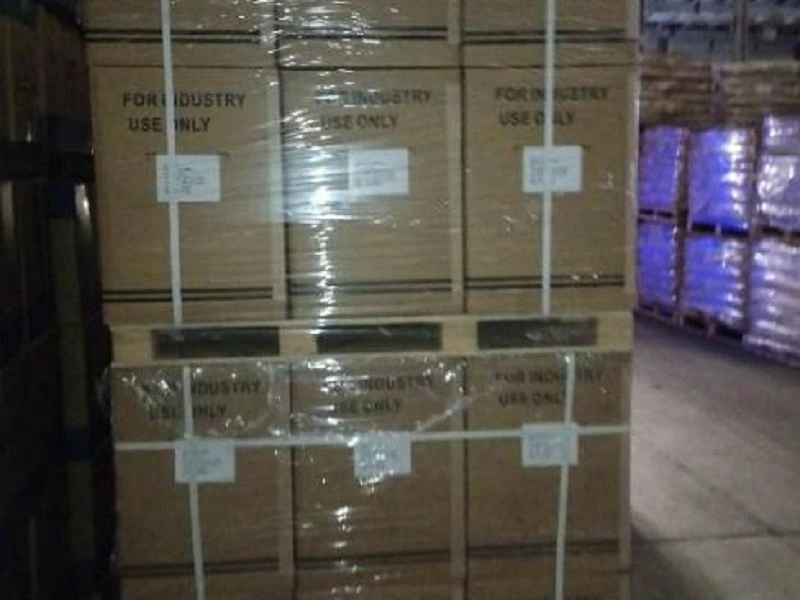
Packaged in barrels, cartons, or bags |
|
Shipping |
By sea |
Our Factory
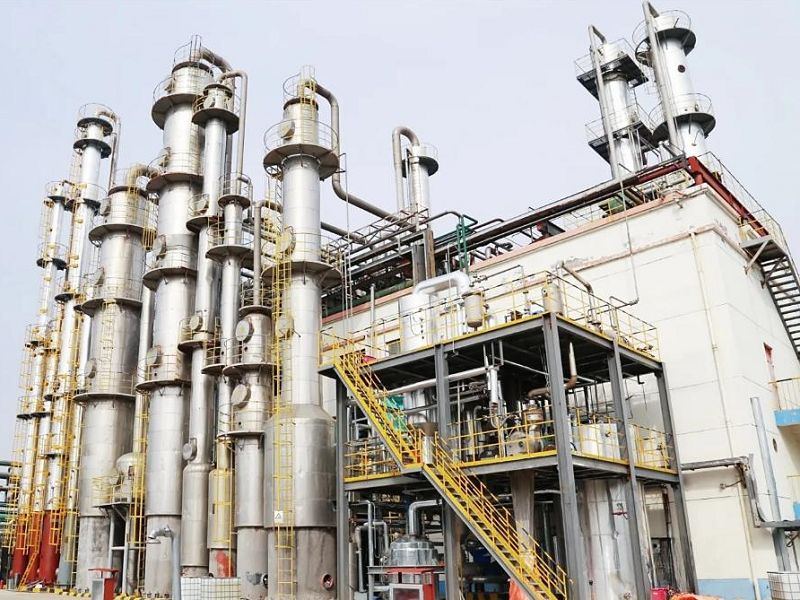
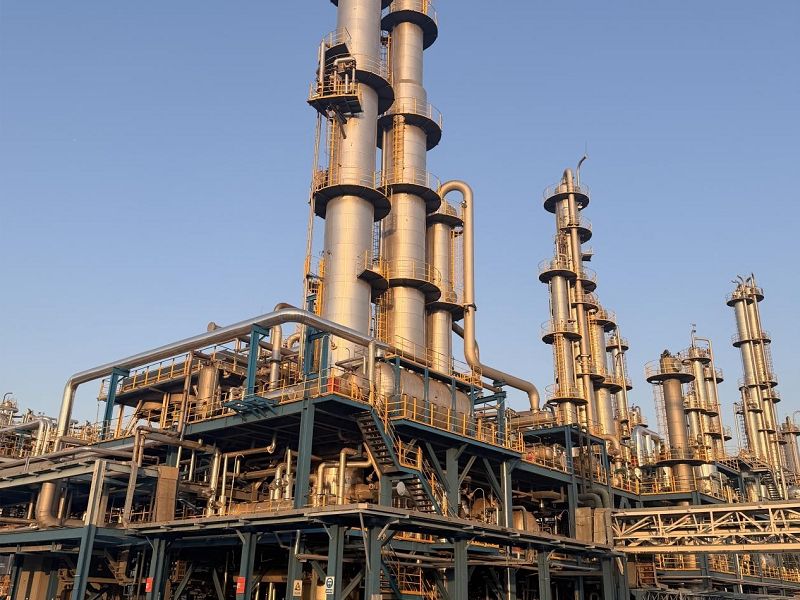
We have a production base with hundreds of workers on the production line, equipped with advanced equipment and manufacturing technology. We produce over 30,000 tons of dyes and auxiliary products annually, including 12,000 tons of disperse dyes and 15,000 tons of direct, acid, and basic dyes.

Our Certificates

FAQ
As one of the most professional fine chemicals manufacturers and suppliers in China, we offer a wide range of products with superior quality. Please feel free to buy high-grade fine chemicals made in China here from our factory. For price consultation, contact us.


