


Your Professional Aroma Chemicals Supplier
INNO-CHEM is a professional manufacturer and exporter of dyes, chemicals, textile auxiliaries, and TPU films in China. Our main products include disperse, reactive, acid, direct, vat, solvent, and cationic dyes, as well as dye intermediates and specialty chemicals. These products are widely used in textile dyeing, printing, inks, plastics, leather, coatings, and polymer processing.
-
![Food Additive Propylene Glycol]() Food Additive Propylene Glycol
Food Additive Propylene GlycolTYPE: Food Grade
CAS NO: 57-55-6
MOQ: 25KG
PACKAGE: Drum -
![Levulinic Acid]() Levulinic Acid
Levulinic AcidTYPE:Levulinic Acid Series
CAS NO:123-76-2
MOQ: 200KG
PACKAGE: Bucket -
![Butyl Levulinate]() Butyl Levulinate
Butyl LevulinateTYPE:Levulinic Acid Series
CAS NO:2052-15-5
MOQ: 200KG
PACKAGE: Bucket -
![Tripropylene Glycol]() Tripropylene Glycol
Tripropylene GlycolCAS NO:24800-44-0
TYPE:Tech Grade
MOQ: 200KG
PACKAGE: Drum -
![Dichlorobenzyl Alcohol]() Dichlorobenzyl Alcohol
Dichlorobenzyl AlcoholCAS NO:1777-82-8
TYPE:Cosmetic Grade
MOQ: 200KG
PACKAGE: Drum -
![Hydroxyacetophenone]() Hydroxyacetophenone
HydroxyacetophenoneCAS NO:99-93-4
TYPE:Cosmetic Grade
MOQ: 200KG
PACKAGE: Drum -
![Ethyl Levulinate]() Ethyl Levulinate
Ethyl LevulinateTYPE:Levulinic Acid Series
CAS NO:539-88-8
MOQ: 200KG
PACKAGE: Bucket -
![Ethylhexylglycerin]() Ethylhexylglycerin
EthylhexylglycerinCAS NO:70445-33-9
TYPE:Cosmetic Grade
MOQ: 200KG
PACKAGE: Drum -
![Phenoxyethanol]() Phenoxyethanol
PhenoxyethanolCAS NO:122-99-6
TYPE:Cosmetic Grade
MOQ: 200KG
PACKAGE: Drum -
![Dipropylene Glycol]() Dipropylene Glycol
Dipropylene GlycolCAS NO:25265 -71 -8
TYPE:Flavor & Fragrance Grade
MOQ: 200KG
PACKAGE: Drum -
![Pentylene Glycol]() Pentylene Glycol
Pentylene GlycolCAS NO:5343-92-0
TYPE:Cosmetic Grade
MOQ: 200KG
PACKAGE: Drum -
![1,2-Hexanediol]() 1,2-Hexanediol
1,2-HexanediolCAS NO:6920-22-5
TYPE:Cosmetic Grade
MOQ: 200KG
PACKAGE: Drum


Wide Product Range
Equipped with automated production lines, DCS control systems, spray drying towers, and testing laboratories to ensure stable quality and efficient manufacturing.
Strict Quality Control
Each batch is tested by HPLC, GC, and other inspection equipment to ensure purity, consistency, and reliable application performance.
Global Export Experience
Products are exported to Southeast Asia, the Middle East, South America, Japan, and South Korea with strong market recognition and stable cooperation.
24/7 Online Support
Use our online customer service window for any inquiries. We guarantee a 24-hour response time and ensure you never face delays due to communication gaps.
Parameter
|
Product Name |
Butyl Levulinate |
Ethyl Levulinate |
|
Type |
Levulinic Acid Series |
Levulinic Acid Series |
|
Chemical formula |
C9H16O3 |
C7H12O3 |
|
CAS NO. |
2052-15-5 |
539-88-8 |
|
Content |
≥99.00% |
≥99.00% |
|
Acid Value |
<1% |
<1% |
|
Sensitivity |
It easily absorbs moisture and should be kept away from light. |
It easily absorbs moisture and should be kept away from light. |
|
Appearance |
Transparent liquid. |
Liquid |
|
Proportion |
D4(25°C) 0.9580-1.0012 |
D4(25°C) 1.016 |
|
Color |
A pale yellow or colorless transparent liquid. |
A pale yellow or colorless transparent liquid |
Advantages of Aroma Chemicals
Consistency and Stability
No seasonal variation means fragrance performance is always reliable.
Cost-Effectiveness
Ideal for businesses that require scalable solutions.
Long-Lasting Fragrance
Great for products that require a lasting scent.
Versatility
Aroma chemicals have a wide range of applications; from perfume to laundry detergent, aroma chemicals are all around us.
Applications of Aroma Chemicals
Perfumery
From designer fragrances to deodorants, detergents, haircare, and home fragrances, aroma chemicals are integral to creating distinctive scent experiences.
Flavour Industry
Food and beverages rely on aroma compounds for taste replication, consistency, and innovation.
Pharmaceuticals
Aroma compounds are added to cough syrups, balms, ointments, and supplements to improve sensory acceptance.
Cosmetics
Creams, lotions, serums, and soaps use aroma chemicals for branding and emotional appeal.
Wellness & Aromatherapy
Even in wellness applications, aroma molecules such as linalool (lavender) and eugenol (clove) provide therapeutic effects.

Key Differences between Essential Oils vs Aroma Chemicals
|
Feature |
Essential oils |
Aroma Chemicals |
|
Source |
Extracted from plants |
Lab-made or isolated compounds |
|
Complexity |
Blend of many molecules |
Single, isolated molecule |
|
Consistency |
May vary with harvest or climate |
Always consistent in composition |
|
Fragrance Strength |
Subtle, natural |
Strong, sharp, and long-lasting |
|
Cost |
Generally expensive |
More cost-effective for bulk production |
|
Best for |
Natural wellness, skincare, aromatherapy |
Perfumes, industrial, and commercial applications |
Safety Protocols and Quality Best Practices for Handling Aroma Chemicals
Comply with IFRA Standards
These are the international guidelines that define the maximum safe concentration limits for every chemical substance in fragrances. Adhering to them guarantees a product that is safe and non-sensitizing.
01
Ensure High Ingredient Purity
The chemical compounds used must be of high purity and must meet all required specifications. Impurities can severely compromise the final stability of the fragrance.
02
Perform Sensitization Testing
Every chemical compound that presents a risk of potential skin sensitization must be thoroughly tested. This determines the safe concentration that will not provoke any adverse reactions in the consumer.
03
Conduct Stability Tests
It is essential to select fragrance components that can withstand changes in temperature and light. This ensures that the perfume’s color and scent remain unaffected over time after bottling.
04
Maintain Proper Material Storage Conditions
Materials must be stored in a dark, cool, and tightly sealed environment. Exposure to light and heat alters their chemical structure and ultimately degrades the fragrance.
05
Ordering Process
Inquiry:
Contact us to discuss your requirements.
Confirmation:
We will provide options and finalize the design.
Payment:
Upon confirmation, proceed with payment.
Sample Approval:
Samples will be provided for your approval.
Production:
Upon sample approval, we will begin production.
Quality Inspection:
Each product undergoes a thorough quality inspection.
Shipping:
We ensure timely and safe delivery.
After-sales service:
Our team is always available to answer any after-sales inquiries.
Packaging and Shipping
|
Packaging |
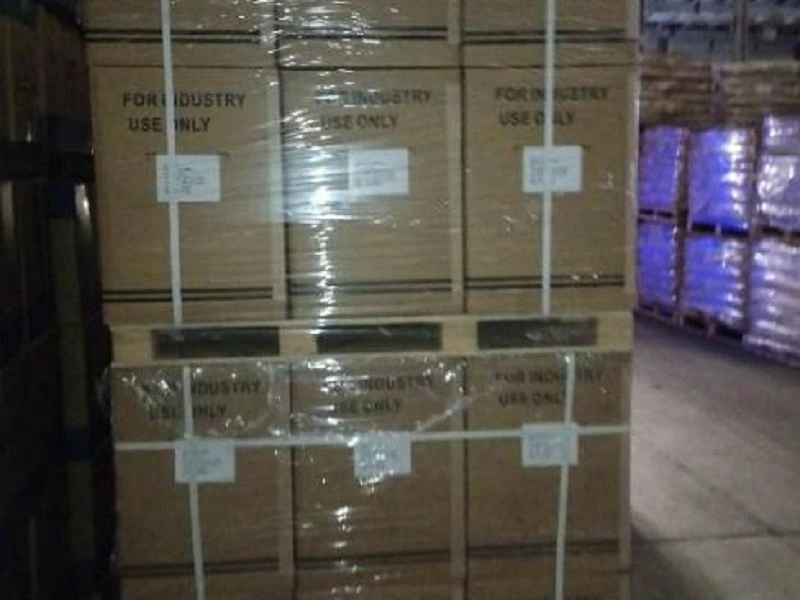
Packaged in barrels, cartons, or bags |
|
Shipping |
By sea |
Our Factory
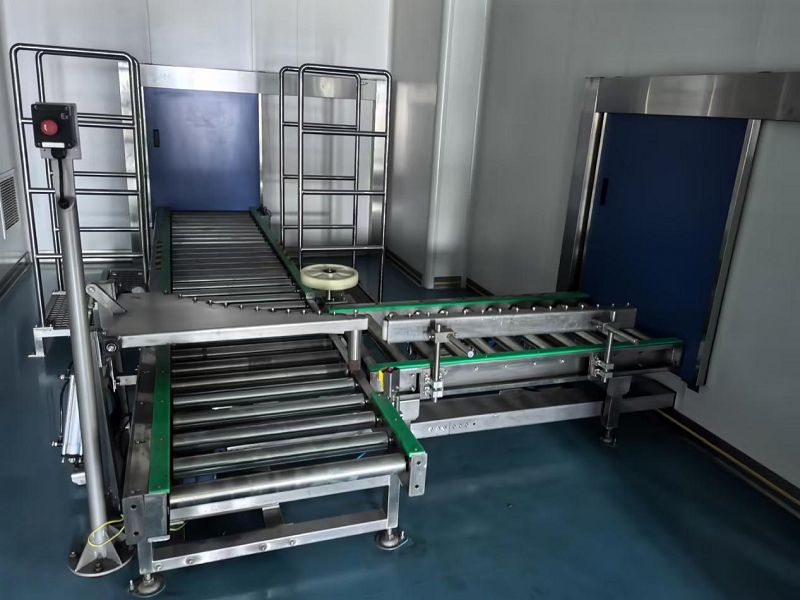
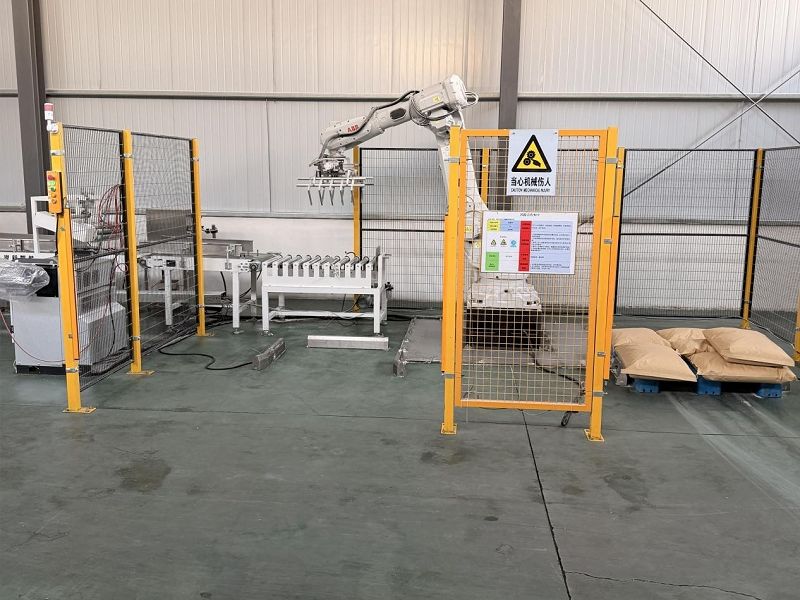
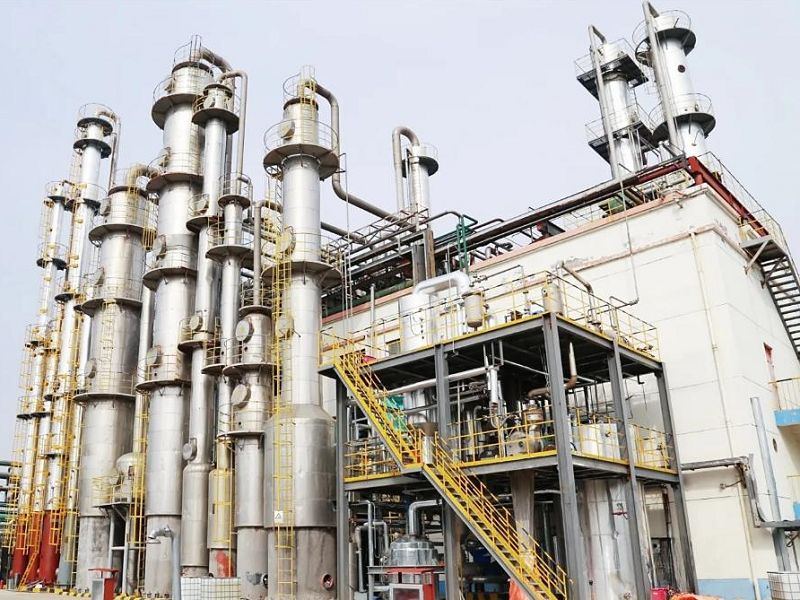
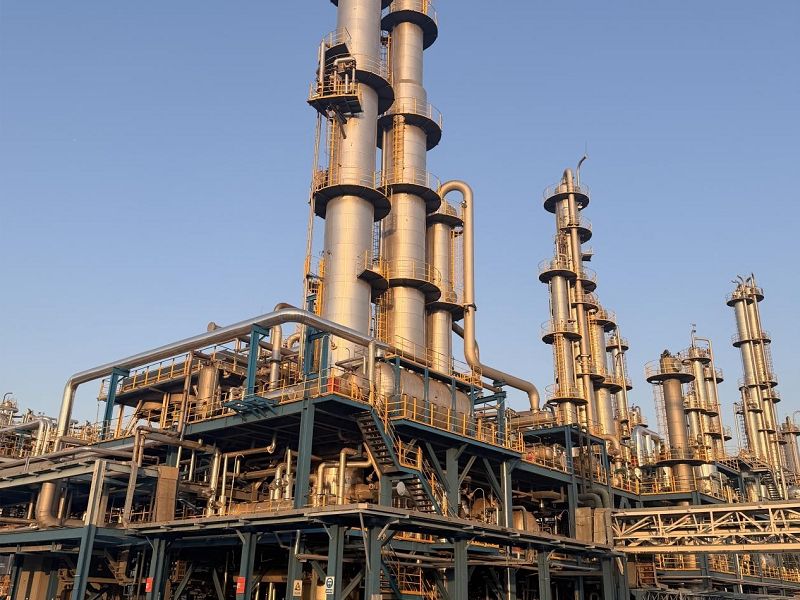
We have a production base with hundreds of workers on the production line, equipped with advanced equipment and manufacturing technology. We produce over 30,000 tons of dyes and auxiliary products annually, including 12,000 tons of disperse dyes and 15,000 tons of direct, acid, and basic dyes.

Our Certificates

FAQ
As one of the most professional aroma chemicals manufacturers and suppliers in China, we offer a wide range of products with superior quality. Please feel free to buy high-grade aroma chemicals made in China here from our factory. For price consultation, contact us.


