


Your Professional Textile Chemicals Supplier
INNO-CHEM is a professional manufacturer and exporter of dyes, chemicals, textile auxiliaries, and TPU films in China. Our main products include disperse, reactive, acid, direct, vat, solvent, and cationic dyes, as well as dye intermediates and specialty chemicals. These products are widely used in textile dyeing, printing, inks, plastics, leather, coatings, and polymer processing.
Advanced Production System
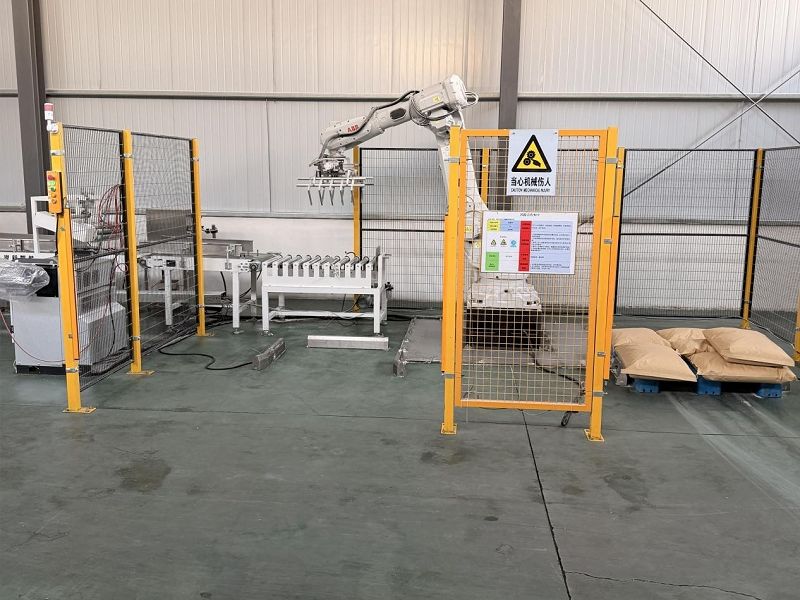
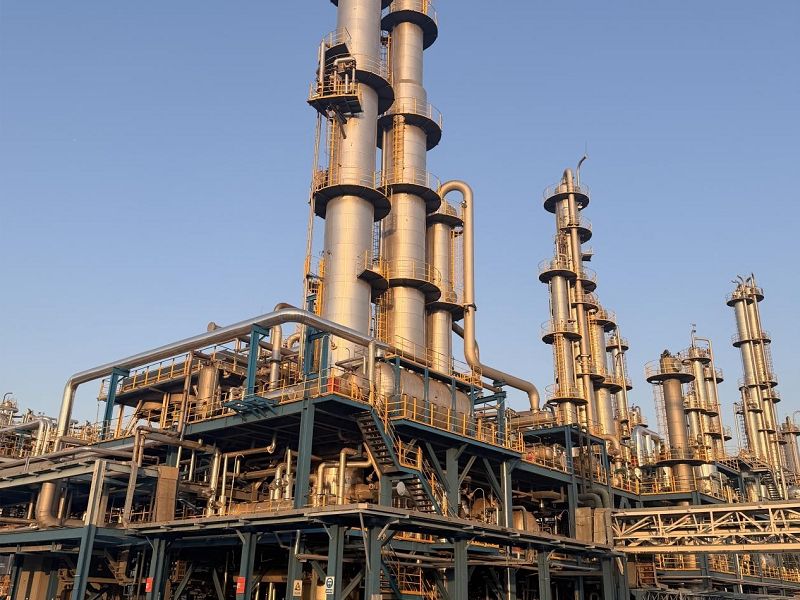
Equipped with automated production lines, DCS control systems, spray drying towers, and testing laboratories to ensure stable quality and efficient manufacturing.
Strict Quality Control
Each batch is tested by HPLC, GC, and other inspection equipment to ensure purity, consistency, and reliable application performance.
Global Export Experience
Products are exported to Southeast Asia, the Middle East, South America, Japan, and South Korea with strong market recognition and stable cooperation.
24/7 Online Support
Use our online customer service window for any inquiries. We guarantee a 24-hour response time and ensure you never face delays due to communication gaps.
-
![Propylene Glycol]() Propylene Glycol
Propylene GlycolTYPE: Industrial Grade. CAS NO: 57-55-6. MOQ: 25KG. PACKAGE: Drum.
-
![Trioctyl Phosphate]() Trioctyl Phosphate
Trioctyl PhosphateTYPE:Phosphate Series. CAS NO:78-42-2. MOQ: 200KG. PACKAGE: Bucket.
-
![Triisobutyl Phosphate]() Triisobutyl Phosphate
Triisobutyl PhosphateTYPE:Phosphate Series. CAS NO:126-71-6. MOQ: 200KG. PACKAGE: Bucket.
-
![Tributyl Phosphate]() Tributyl Phosphate
Tributyl PhosphateTYPE:Phosphate Series. CAS NO:126-73-8. MOQ: 200KG. PACKAGE: Bucket.
-
![PEG-200]() PEG-200
PEG-200PRODUCT NAME: Polyethylene Glycol 200. EINECS.NO.: 200-849-9. CAS NO: 25322-68-3. MOQ: 200KG. PACKAGE: Drum.
-
![PEG-400]() PEG-400
PEG-400PRODUCT NAME: Polyethylene Glycol 400. EINECS.NO.: 203-473-3. CAS NO: 25322-68-3. MOQ: 200KG. PACKAGE: Drum.
-
![PEG-800]() PEG-800
PEG-800PRODUCT NAME: Polyethylene Glycol 800. EINECS.NO.: 203-473-3. CAS NO: 25322-68-3. MOQ: 200KG. PACKAGE: Drum.
-
![Thiourea Dioxide]() Thiourea Dioxide
Thiourea DioxidePRODUCT NAME: Thiourea Dioxide. Molecular Weight: 108.12. CAS NO: 1758-73-2. MOQ: 100KG. PACKAGE: Bags.
-
![Sodium Hydrosulfite]() Sodium Hydrosulfite
Sodium HydrosulfitePRODUCT NAME: Sodium Hydrosulfite. Molecular Weight: 174.108. CAS NO: 7775-14-6. MOQ: 100KG. PACKAGE: Bags.
-
![Melamine]() Melamine
MelaminePRODUCT NAME: Melamine. Molecular Weight: 126.12. CAS NO: 108-78-1. MOQ: 100KG. PACKAGE: Bags.
-
![Guanidine Phosphate]() Guanidine Phosphate
Guanidine PhosphatePRODUCT NAME: Guanidine Phosphate. Molecular Weight: 238.13. CAS NO: 5423-23-4. MOQ: 100KG. PACKAGE: Bags.
-
![4,4-dichlorodiphenyl Sulfone]() 4,4-dichlorodiphenyl Sulfone
4,4-dichlorodiphenyl SulfonePRODUCT NAME: 4,4-dichlorodiphenyl sulfone. Molecular Weight: 287.16. CAS NO: 80-07-9. MOQ: 100KG. PACKAGE: Bags.


Parameter
|
Product Name |
EDTA-2NA |
Aluminum Diethyl phosphinate |
|
Type |
Compounding Agent |
Flame Retardant |
|
CAS NO |
139-33-3 |
225789-38-8 |
|
EINECS.NO. |
205-358-3 |
607-114-5 |
|
Molecular Formula |
C10H14N2Na2O8 |
Al(PO2C4H10)3 |
|
Molecular Weight |
336.206 |
390.3 |
|
Appearance |
White crystalline powder |
White powder |
|
Density |
1.77 g/cm³ |
1.35 g/cm³ |
Advantages of Textile Chemicals


Enhancing Fabric Durability
Textile chemicals play a crucial role in strengthening fabrics, making them more resilient to wear and tear. This is especially important for fabrics used in high-demand applications like workwear, sports apparel, and outdoor clothing.
Imparting Special Functional Properties
These chemicals allow fabrics to acquire specific features, such as:
Water Resistance: Useful for rainproof garments and outdoor textiles.
Flame Retardancy: Important in sectors requiring fire safety, such as hospitality and healthcare.
Anti-Microbial Properties: Common in healthcare and sports textiles to inhibit bacteria and odor.
Improving Dye Quality and Color Retention
Chemicals ensure vibrant and durable color finishes, enhancing both the aesthetic appeal and longevity of textiles. This minimizes fading, even with repeated washing and exposure to sunlight, which improves customer satisfaction and reduces fabric waste.
Eco-Friendly Innovations in Textile Chemicals
With the growing demand for sustainable practices, the industry is moving towards greener chemicals, such as bio-based and biodegradable options. Enzymes, for instance, are increasingly used in place of traditional chemicals to reduce pollution and enhance biodegradability.
Supporting High-Performance Textiles
For industries that require specialized textiles, such as healthcare and automotive, textile chemicals provide the necessary functional properties like UV stability and static resistance, supporting safety and product quality.
Creating Smart Textiles
The development of "smart" fabrics, such as those with moisture-wicking or thermoregulating properties, is largely due to advancements in textile chemicals. This innovation meets growing demand in areas like activewear and functional clothing.
Applications of Textile Chemicals
Pretreatment Chemicals
Before a fabric can be dyed or finished, it must be prepared. Pretreatment chemicals remove impurities like waxes, oils, or dirt from raw fibres, ensuring the fabric is clean and ready for further processing.
Dyeing and Printing Auxiliaries
Have you ever wondered how fabrics get their bright, beautiful colors? Textile chemicals ensure that dyes penetrate evenly into fibers, prevent fading, and enhance color vibrancy. For instance, textile auxiliaries improve dyeing efficiency, reducing water and energy use—a step toward eco-friendly textile processing.
Finishing Chemicals
Textile finishing chemicals are what make fabrics functional. Want a wrinkle-free shirt? Or maybe a jacket that repels rain? Finishing chemicals give fabrics these properties. Polyurethane polymer resins, for example, are often used to create water-resistant or stretchable finishes.
Specialized Applications
Textile chemicals are also critical in industries like leather tanning. Leather tanning chemicals manufacturers use them to treat hides, ensuring they’re soft, durable, and resistant to cracking.
Follow Manufacturer Instructions: Use recommended concentrations and conditions
Proper Preparation: Ensure fabric is properly prepared before chemical application
Temperature Control: Maintain appropriate temperatures for each process
pH Management: Monitor and adjust pH as needed
Thorough Mixing: Ensure uniform distribution of chemicals
Proper Rinsing: Rinse thoroughly between stages
Quality Testing: Test fabric properties at each stage
Documentation: Keep records of concentrations, conditions, and results
Ordering Process
Inquiry:
Contact us to discuss your requirements.
Confirmation:
We will provide options and finalize the design.
Payment:
Upon confirmation, proceed with payment.
Sample Approval:
Samples will be provided for your approval.
Production:
Upon sample approval, we will begin production.
Quality Inspection:
Each product undergoes a thorough quality inspection.
Shipping:
We ensure timely and safe delivery.
After-sales service:
Our team is always available to answer any after-sales inquiries.
Packaging and Shipping
|
Packaging |
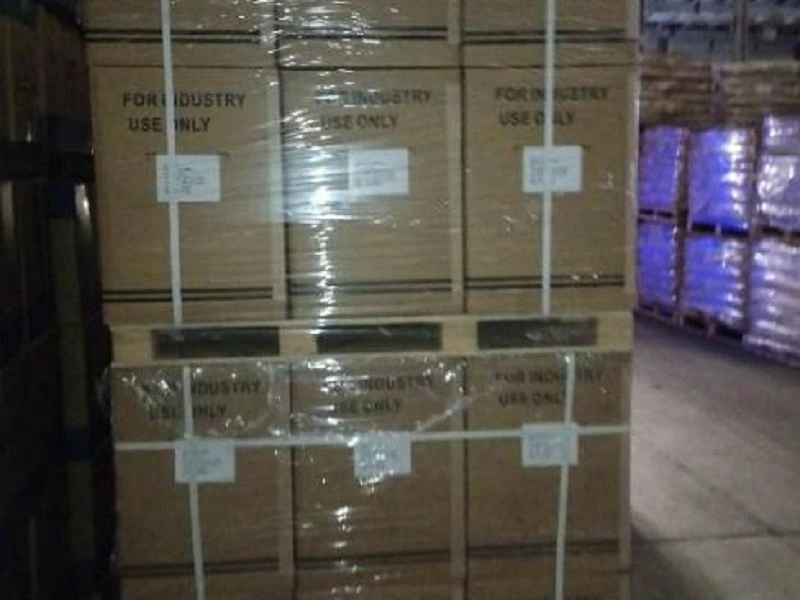
Packaged in barrels, cartons, or bags |
|
Shipping |
By sea |
Our Factory
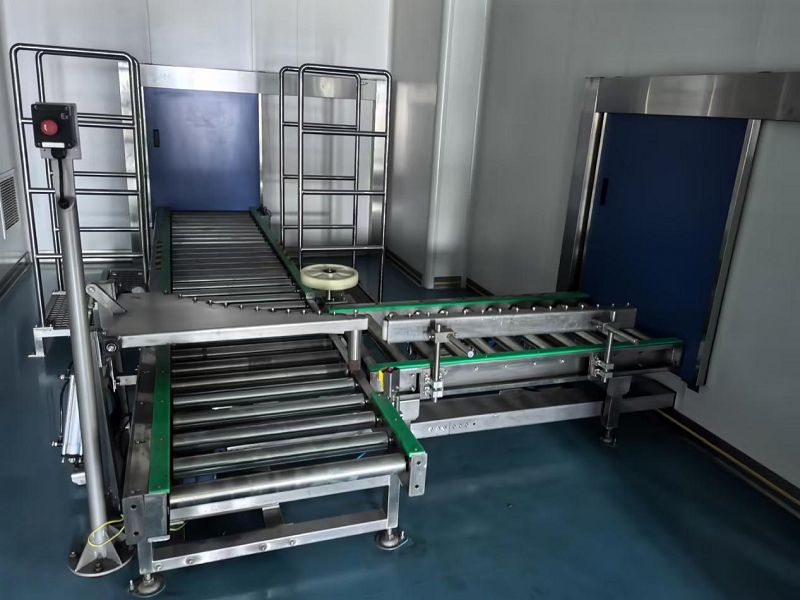
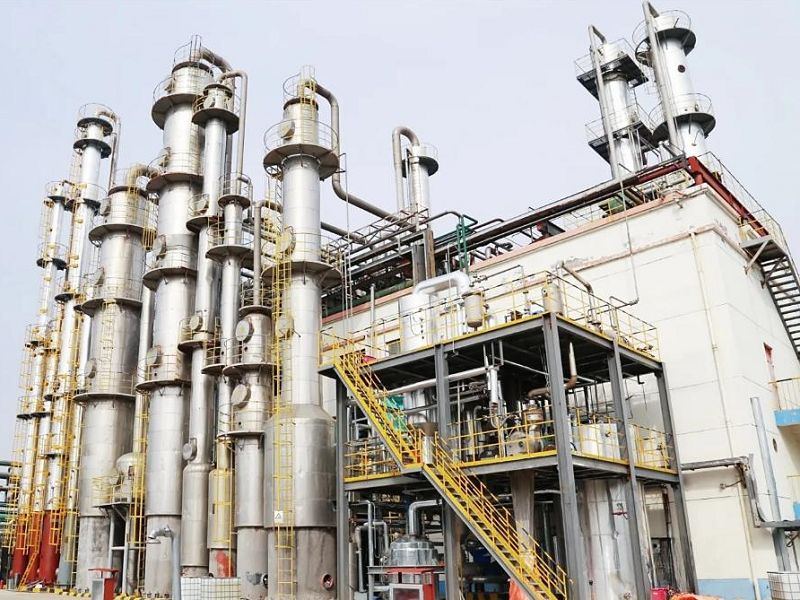
We have a production base with hundreds of workers on the production line, equipped with advanced equipment and manufacturing technology. We produce over 30,000 tons of dyes and auxiliary products annually, including 12,000 tons of disperse dyes and 15,000 tons of direct, acid, and basic dyes.

Our Certificates

FAQ
As one of the most professional textile chemicals manufacturers and suppliers in China, we offer a wide range of products with superior quality. Please feel free to buy high-grade textile chemicals made in China here from our factory. For price consultation, contact us.
Aluminum Diethyl Phosphinate, fire retardant additive, flame resistant plastic


