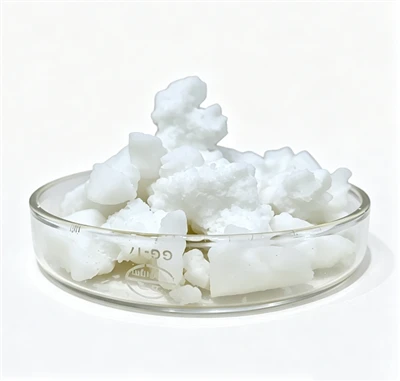
9,10-Dihydro-9-oxa-10-phosphaphenanthrene 10-oxide (DOPO) is an important phosphorus-based flame retardant intermediate widely used in the development of high-performance flame-retardant materials. It is typically supplied as a white flaky solid. DOPO is soluble in benzene but insoluble in water and hexane. Its unique chemical structure and high reactivity make it particularly valuable for the modification of polymers and the synthesis of advanced phosphorus-containing flame retardants.
Raw Material and Chemical Characteristics of DOPO
2-Phenylphenol (OPP), also known as 2-hydroxybiphenyl, is an important raw material used in the production of DOPO. Industrial preparation of OPP can involve several synthetic routes, including cyclohexanone condensation followed by dehydrogenation, phenol coupling, and sulfonation-hydrolysis of biphenyl.
OPP itself has applications in several industries, including flame retardants, preservatives, pharmaceuticals and textile processing, with flame-retardant applications representing an important area of use.
The molecular structure of DOPO contains a highly reactive P-H bond together with a stable phosphaphenanthrene ring. This combination provides DOPO with both chemical reactivity and structural stability, allowing it to participate in further reactions with functional groups such as hydroxyl, carboxyl and amino groups. Through chemical modification and structural design, DOPO can be used to synthesize a wide range of DOPO-based flame retardants with tailored performance characteristics.
Applications in Polymer Flame Retardancy
The unique structure of DOPO flame retardant makes it suitable for a variety of high-performance polymer systems. It is widely investigated and applied in the flame-retardant modification of epoxy resins, polyesters, polyamides, polyurethanes and other polymer materials.
Among these applications, epoxy resin flame retardancy is one of the most important. Epoxy resins are extensively used in coatings, adhesives, electronic components, electrical insulation and composite materials. DOPO can be incorporated into epoxy systems either as a reactive component or as part of an additive flame-retardant formulation, depending on the desired material properties and processing requirements.
DOPO and its derivatives are also relevant to electronic materials, printed circuit boards (PCBs), copper-clad laminates and engineering plastics. These applications require a combination of flame resistance, thermal stability, electrical performance and long-term reliability, making phosphorus-based flame-retardant technologies increasingly important.
Advantages of DOPO-Based Flame Retardants
Compared with conventional additive flame retardants, DOPO-based flame retardants offer several characteristics that are attractive for high-performance polymer applications. Depending on the specific derivative and formulation, DOPO chemistry can be used to develop flame-retardant systems with high efficiency, low migration and durable flame-retardant performance.
DOPO derivatives can function as both reactive flame retardants and additive flame retardants. Reactive derivatives can be chemically incorporated into polymer structures, which can help reduce migration and improve the durability of flame-retardant performance. Additive systems, meanwhile, provide greater flexibility during formulation and processing.
The development of DOPO derivatives has therefore become an important direction in the field of halogen-free flame retardants, particularly for applications where environmental requirements and material performance must be considered simultaneously.
Growing Demand for Halogen-Free Flame Retardants
The global flame-retardant industry is increasingly moving toward more environmentally responsible technologies. Stricter chemical regulations and growing demand for safer materials have encouraged manufacturers to explore alternatives to certain conventional halogen-containing flame retardants and other substances facing regulatory pressure.
Against this background, phosphorus-based flame retardants and other halogen-free technologies are receiving increasing attention. DOPO is particularly attractive because its reactive phosphorus chemistry provides a versatile platform for developing new flame-retardant molecules with application-specific properties.
The demand is especially relevant to the electronics and electrical industries, where flame retardancy must often be achieved without significantly compromising mechanical properties, thermal stability or electrical insulation performance.
Market Outlook for DOPO
The expanding use of epoxy resins and high-performance engineering polymers is expected to support demand for DOPO and DOPO derivatives. Epoxy resin is widely used across electronics, electrical equipment, coatings, adhesives and composite materials, and continued development of these industries creates opportunities for high-performance flame-retardant technologies.
As an important DOPO intermediate, DOPO provides a versatile starting point for the development of new phosphorus-containing flame retardants. Through functional-group modification and molecular structure optimization, manufacturers can develop products designed for specific polymer systems and performance requirements.
With increasing emphasis on halogen-free flame retardants, environmental compliance and high-performance materials, DOPO is expected to remain an important material in the development of next-generation flame-retardant technologies.