Product Introduce
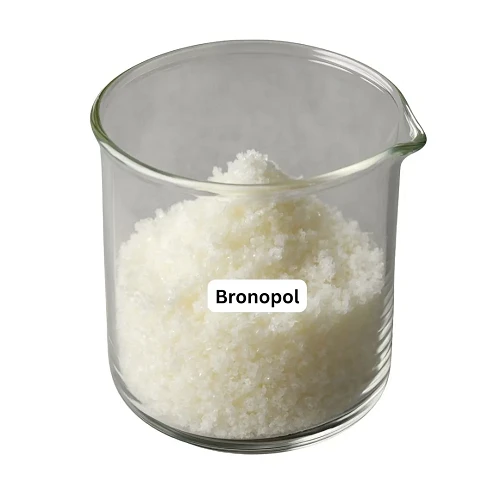
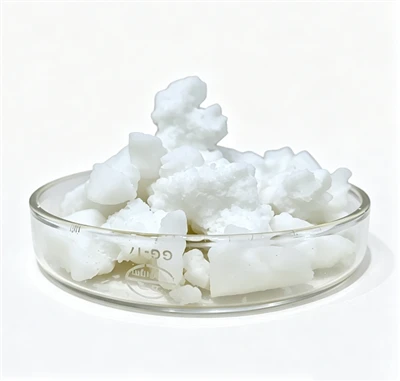
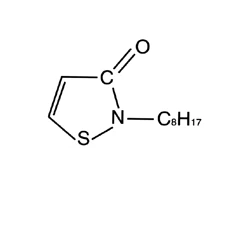
2-n-Octyl-4-isothiazolin-3-one (OIT), also known as Octhilinone or Octylisothiazolinone, is an isothiazolinone-based antimicrobial agent used primarily for industrial preservation and protection against fungal growth. It is used in selected coating systems, sealants, adhesives, polymer materials, leather treatments, and other industrial formulations where microbial or fungal deterioration needs to be controlled.OIT is particularly relevant to applications requiring protection against mold and mildew on materials exposed to moisture or demanding service conditions.
|
Product Name |
2-n-Octyl-4-isothiazolin-3-one,OIT |
|
Type |
Biocide |
|
CAS No. |
26530-20-1 |
|
Molecular Formula |
C11H19NOS |
|
Molecular Weight |
213.34g/mol |
|
Appearance |
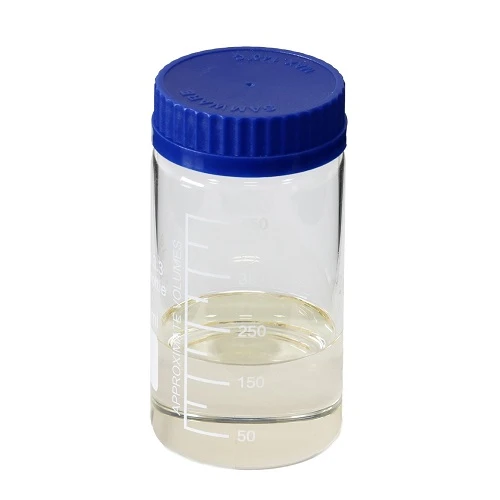
light yellow transparent liquid |
|
Specific Gravity |
1.01-1.05 |
|
PH |
4.0-7.0 |
|
Water |
0.1%Max |
We supply OIT for industrial formulation and sourcing requirements. Product grade, active ingredient content, packaging, and available technical documentation can be discussed according to the intended application.
Applications of OIT
(1)Paints and Coatings:OIT is used in selected coating formulations to help protect treated surfaces against fungal growth and mildew. It may be considered for coatings intended for environments where moisture and surface contamination can contribute to deterioration.
(2)Sealants and Adhesives:In selected sealants and adhesive formulations, OIT can provide antifungal protection where the finished material may be exposed to humid conditions.
(3)Plastics and Polymer Materials:OIT is used in certain polymer-related applications to help protect materials against mold and fungal deterioration. Potential applications include selected plastic and rubber products, flexible materials, and polymer-based articles. Performance depends on factors such as the polymer type, processing temperature, additive interactions, and the distribution of the active ingredient within the material.
(4)Leather and Textile Treatments:OIT may be used in selected leather, textile, and material-treatment formulations where fungal protection is required. The appropriate grade and application method depend on the substrate, processing conditions, desired performance, and relevant restrictions on treated articles.
(5)Industrial Material Preservation:OIT is also relevant to other industrial formulations and materials that require protection against fungal growth.
Product Advantages
(1)Antifungal protection: OIT is used in formulations designed to control fungal growth and help reduce mold-related deterioration of suitable materials.
(2)Industrial formulation versatility: It is relevant to several material and coating systems, subject to formulation compatibility and application-specific requirements.
(3)Flexible sourcing options: Product selection can be discussed according to the required active ingredient content, intended application, quantity, and documentation needs.
(4)Application-oriented support: Providing information about the target material, formulation type, and intended end use helps determine whether a particular OIT grade is suitable for evaluation.
Packaging and Storage
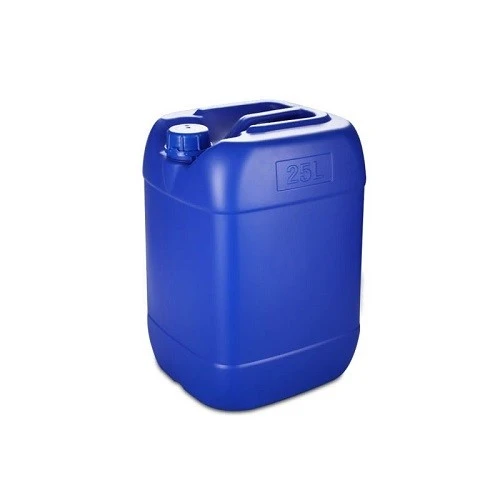
Packaging and storage requirements depend on the supplied grade and formulation. Keep the product in its original, tightly closed container under the conditions specified in the supplier's SDS and technical documentation. Protect it from incompatible materials and prevent uncontrolled release into drains or the environment.
OIT requires appropriate handling precautions. Consult the product-specific SDS for personal protective equipment, spill response, transport, and disposal requirements.
FAQ
Q: What is the difference between OIT and MIT or BIT?
A: OIT, MIT (2-methyl-4-isothiazolin-3-one), and BIT (1,2-benzisothiazol-3(2H)-one) belong to the broader isothiazolinone family, but they are different chemical substances. They should not be treated as interchangeable preservatives. Their suitability varies with the target microorganisms, formulation, substrate, compatibility requirements, and applicable regulations. A buyer considering a substitution should compare technical data and conduct application testing.
Q: Is OIT suitable for water-based paint formulations?
A: OIT is used in selected coating systems, but suitability cannot be determined from the term "water-based paint" alone. Solubility, dispersion, formulation stability, binder compatibility, and the intended preservation target all need to be considered. Buyers should confirm the supplied grade's recommended application range and test it in the actual formulation.
Q: Can OIT protect a finished material against mold after application?
A: OIT can be used in certain formulations intended to provide antifungal protection to treated materials. However, the level and duration of protection depend on the active ingredient content, incorporation method, material composition, exposure conditions, and fungal challenge. Results from one coating or polymer system should not automatically be extrapolated to another.
Q:What active ingredient content should I specify when purchasing OIT?
A: Specify the required active ingredient content rather than requesting OIT by name alone. Commercial products may differ in concentration and carrier composition, while high-purity material intended for laboratory or other specialized use may not be equivalent to an industrial formulated product. Confirm the concentration, carrier or solvent, analytical method, and relevant specification limits before comparing quotations.
Laboratory

Exhibitions

Hot Tags: 2-n-octyl-4-isothiazolin-3-one, China 2-n-octyl-4-isothiazolin-3-one manufacturers, suppliers, factory, EDTA-4NA, fire retardant compounds, flame retardant polypropylene, phosphate flame retardant, resin and functional finishing raw materials, Sodium Hydrosulfite