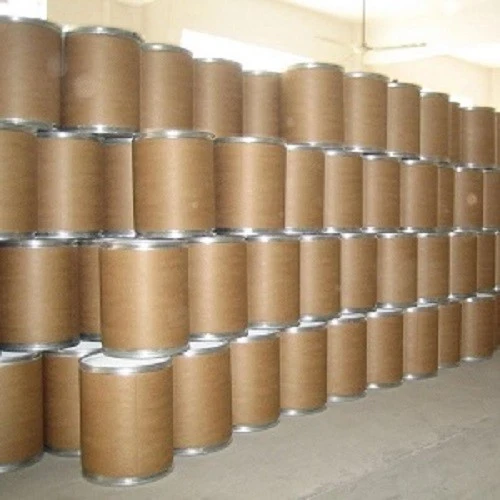
Product Introduce
2-Methyl-4-isothiazolin-3-one (MIT) is an isothiazolinone-based antimicrobial preservative used to control bacterial and other microbial growth in suitable industrial formulations. It is valued for its antimicrobial activity and its potential use in water-based products where microbial contamination can affect product quality, storage stability, and service life.
|
Product Name |
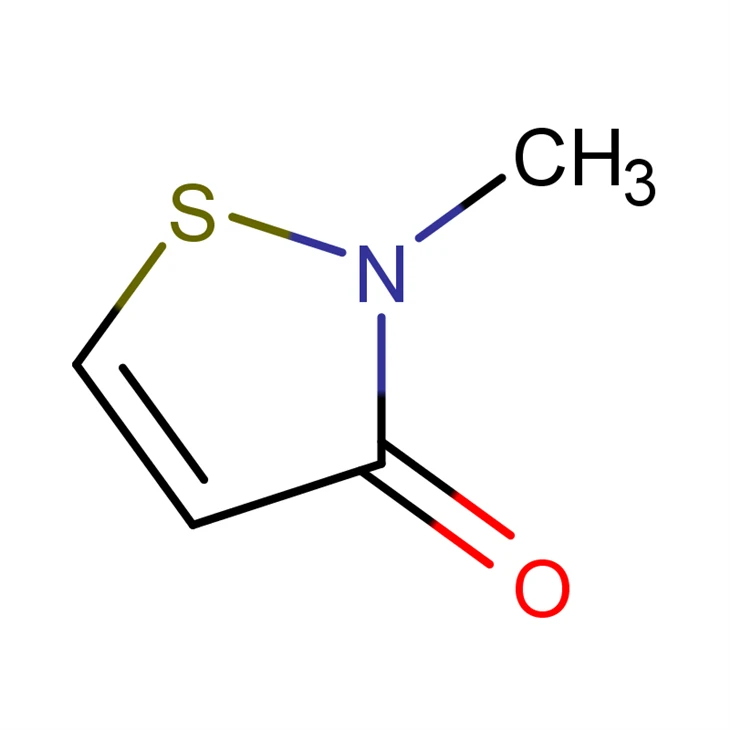
2-Methyl-4-isothiazolin-3-one,MIT |
|
Type |
Bactericides and preservatives |
|
CAS No. |
2682-20-4 |
|
Molecular Formula |
C4H5NOS |
|
Molecular Weight |
115.15g/mol |
|
Appearance |
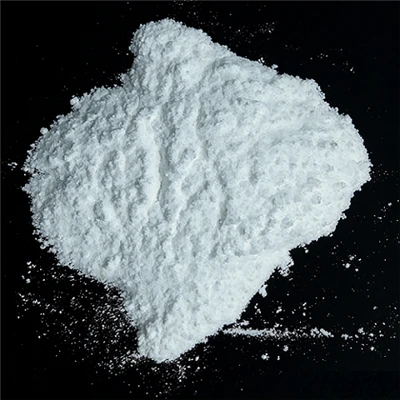
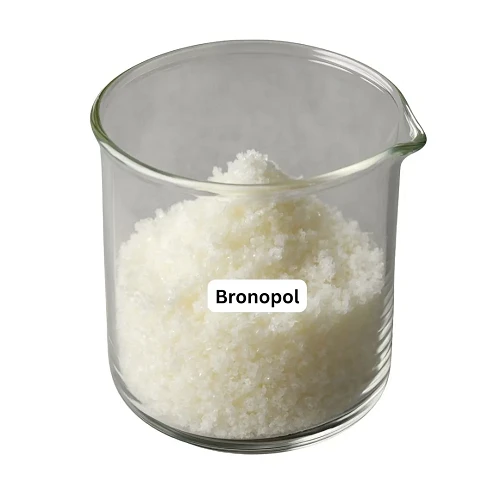
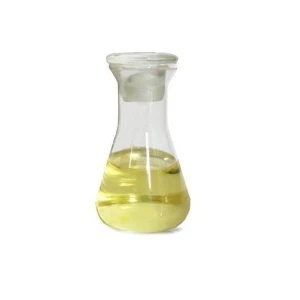
Pale yellow or white liquid |
|
Purity |
≥99.0% |
|
Melting Point |
1℃ |
|
PH |
5-7 |
|
CMIT |
<40ppm |
Industrial Applications of MIT
(1)Water-Based Industrial Formulations
Microbial contamination is a recurring concern in water-based industrial products, particularly during storage and repeated handling. Bacteria and other microorganisms can contribute to unpleasant odors, changes in viscosity, discoloration, and deterioration of product performance.MIT may be evaluated as an industrial preservative in suitable formulations where microbial control is required.
(2)Paints and Coatings
Water-based paints and coatings can be vulnerable to microbial contamination during manufacturing, storage, and use. The choice of preservative depends on the paint composition, pH, packaging, storage conditions, and the microorganisms that need to be controlled. MIT should not automatically be regarded as suitable for every coating system; formulation-specific testing is necessary to establish compatibility and efficacy.
(3)Adhesives and Other Industrial Products
Certain water-based adhesives and industrial preparations require preservation to maintain their quality throughout storage and distribution. Microbial growth may alter viscosity, odor, appearance, or application performance.MIT may be considered for appropriate industrial formulations where its antimicrobial spectrum and compatibility meet the product's requirements.
(4)Industrial Preservation and Formulation Development
MIT may also be relevant to industrial formulators investigating isothiazolinone-based preservation systems. In these applications, the selection process should account for the required preservation spectrum, active concentration, storage stability, compatibility with other ingredients, and restrictions applicable to the intended market.Its suitability for a particular end use must be verified against the relevant regulatory framework and product-specific performance data.
FAQ
Q: Is MIT the same as CMIT/MIT?
A: No. MIT is 2-methyl-4-isothiazolin-3-one, while CMIT/MIT is a combination of MIT and 5-chloro-2-methyl-4-isothiazolin-3-one. They differ in chemical composition and may have different formulation, handling, and regulatory requirements. Buyers should check the ingredient declaration and specification rather than rely on the general term "isothiazolinone preservative."
Q: What information should I check when purchasing industrial-grade MIT?
A: Confirm the chemical identity, CAS number, active content, product form, specification limits, packaging, and intended application. Request the COA and SDS for the specific product offered. If comparing multiple suppliers, ensure that the quoted products have equivalent compositions and concentrations.
Q: Can MIT be used in water-based paints and coatings?
A: MIT may be considered for certain industrial preservation applications, subject to the formulation, product type, and applicable regulations. Its effectiveness depends on the microorganisms present, the product's pH and composition, and the preservation conditions. Formulators should conduct compatibility and preservative efficacy testing before selecting it for a commercial product.
Q: Is MIT suitable for cosmetic or personal care products?
A: MIT use in cosmetics and personal care products is subject to specific restrictions that vary by jurisdiction and product category. It should not be assumed that an industrial-grade MIT product is suitable or legally permitted for cosmetic use. Buyers must verify the current requirements for the intended market and application before procurement.
Q: What documents should suppliers provide for MIT?
A: Depending on the grade and destination market, buyers commonly request a COA, SDS/MSDS, product specification, and relevant storage and shelf-life information. Additional regulatory declarations or technical documents may be necessary for a particular application. Documentation should correspond to the actual product supplied.
Laboratory

Exhibitions

Hot Tags: 2-methyl-4-isothiazolin-3-one, China 2-methyl-4-isothiazolin-3-one manufacturers, suppliers, factory, fire retardant additive, fire retardant polyethylene, flame retardant polyethylene, flame retardant polypropylene, phosphorus flame retardants, textile chemical dyes