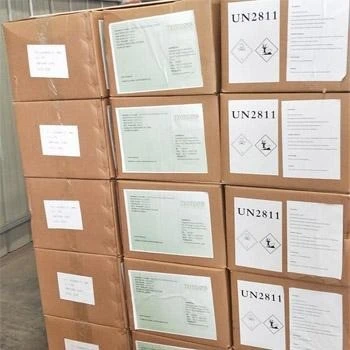
Product Introduce
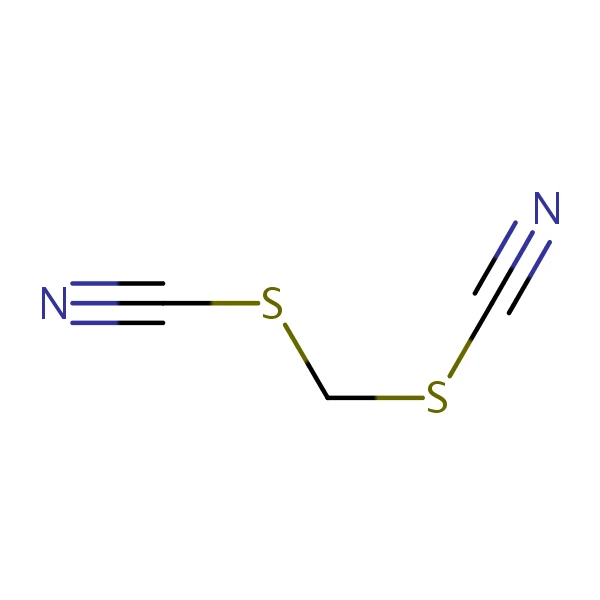
Methylene Dithiocyanate (MBT), also known as Methylene Bis(thiocyanate), is a broad-spectrum industrial biocide used for controlling bacteria, fungi and algae in water-treatment systems and industrial processes. With CAS No. 6317-18-6, molecular formula C₃H₂N₂S₂ and molecular weight of approximately 130.19 g/mol, MBT is particularly associated with microbial control in circulating cooling water and pulp and paper applications.
MBT is a useful option for industrial microbial-control programs where biological growth, slime formation and biofouling can interfere with process efficiency or product quality. It has also been used in applications involving oilfield water treatment, industrial water systems, rubber products, coatings, leather and other materials requiring protection against microbial deterioration.
|
Product Name |
Methylene Dithiocyanate,Methylene Bis thiocyanate,MBT |
|
Type |
Industrial biocide / Antimicrobial |
|
CAS No. |
6317-18-6 |
|
Molecular Formula |
C3H2N2S2 |
|
Molecular Weight |
130.19g/mol |
|
Purity |
98% |
|
Melting Point |
102-106℃ |
|
Insoluble matter content |
0.2% |
|
Appearance |
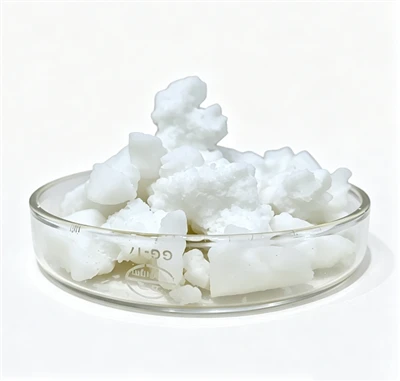
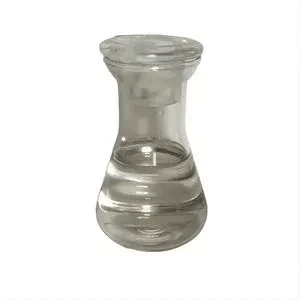
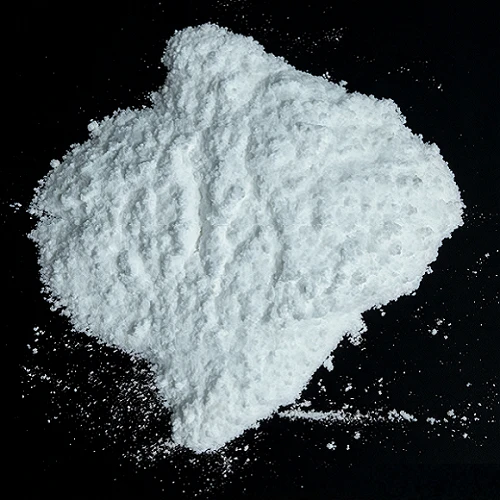
Colorless needle-like crystals |
Industrial Water Treatment
One of the most important applications of MBT biocide is industrial water treatment.Microbial growth in circulating water can lead to slime formation, biofouling and deterioration of water-system performance. In large industrial facilities, including power-generation and chemical-processing plants, maintaining microbiological control is therefore an important part of cooling-water management.
Methylene Bis(thiocyanate) has been used as a non-oxidizing antimicrobial treatment for industrial circulating water. Available technical information describes activity against bacteria, fungi and algae, with particular relevance to microorganisms associated with industrial water systems.
MBT has also been reported to have activity against sulfate-reducing bacteria, which are particularly relevant to certain industrial water and oilfield environments. This makes MBT a potential component of microbial-control programs where conventional bacterial contamination is accompanied by problems associated with biofilm or slime formation.
Cooling Water and Algae Control
MBT for cooling water treatment is an established industrial application.In recirculating cooling systems, bacteria and algae can multiply when temperature, nutrients and water conditions are favorable. Uncontrolled biological growth may contribute to deposits and slime and can increase maintenance requirements.
Methylene bis(thiocyanate) has historically been used in water-cooling systems as an inhibitor of algae, fungi and bacteria. Its application can therefore be considered where a broad-spectrum microbial-control agent is required as part of an industrial water-treatment program.The actual treatment program should be determined according to water chemistry, microbial population, system design and local regulatory requirements rather than applying a universal dosage across different systems.
Pulp and Paper Applications
The pulp and paper industry is another important market for Methylene Dithiocyanate.Paper mills operate with substantial amounts of process water, creating conditions in which bacteria, fungi and algae may proliferate. Microbial contamination can contribute to slime formation and interfere with production stability.
Historical industrial data specifically identify paper mills as a major application for MBT, where it is used to control algae, fungi and bacteria.
For paper and pulp manufacturers, MBT can therefore be evaluated as part of a broader paper mill biocide or process-water microbial-control program, subject to the requirements of the specific process and destination market.
Oilfield Water Treatment
MBT is also associated with oilfield water treatment and microbial control in petroleum-related industrial systems.Microorganisms in injection water and other oilfield water systems can contribute to biological fouling and other operational problems. In particular, sulfate-reducing bacteria are an important consideration in some oilfield environments.
Methylene Dithiocyanate has been reported for applications involving microbial control in oilfield water and related systems.
For these applications, product selection should be based on the characteristics of the water system, target microorganisms, treatment conditions and compatibility with other chemicals used in the oilfield process.
Antifungal and Material Preservation Applications
Beyond water treatment, Methylene Dithiocyanate has also been used as an industrial antimicrobial and antifungal agent for certain materials.
Available chemical-use data report applications involving wood, leather, rubber, coatings and other industrial materials, where microbial growth or fungal deterioration can affect service life and product quality.
For rubber products, coatings and related formulations, MBT may be evaluated when protection against microbial contamination or fungal growth is required.
Laboratory

Exhibitions

Hot Tags: methylene dithiocyanate, China methylene dithiocyanate manufacturers, suppliers, factory, fire retardant chemicals, fire retardant polypropylene, flame retardant additives, flame retardant polyethylene, fr flame retardant, textile additives