In the dyeing and finishing process, naphthol, as a core intermediate in the synthesis of azo dyes, directly affects dyeing depth, color stability, and production efficiency. Mastering scientific application techniques not only fully utilizes its chemical properties but also provides significant advantages in energy saving, consumption reduction, and improved product consistency.
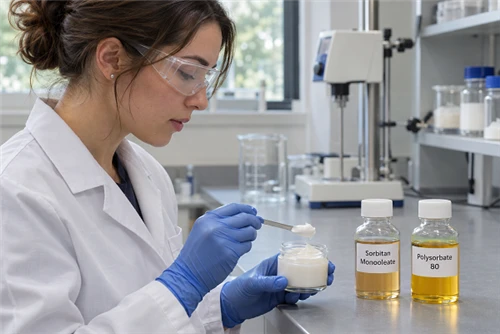
First, raw material pretreatment is fundamental to ensuring the effective utilization of naphthol. Since naphthol is mostly in solid form, hygroscopicity or differences in crystal form can lead to uneven dissolution rates, thus affecting the synchronicity of coupling reactions. Practice shows that before use, it is advisable to select a suitable solvent (such as ethanol, dilute alkaline solution, or a dedicated dispersion medium) according to the manufacturer's recommendations or experimental verification, and stir thoroughly under constant temperature until completely clear to avoid the formation of fine particles or agglomerates. If necessary, moderate heating can be used to assist dissolution, but the upper temperature limit must be strictly controlled to prevent thermal degradation of hydroxyl or amino functional groups.
Second, precise control of dosage ratio and timing of addition is essential. The molar ratio of naphthol to diazonium salt should be optimized based on the target color intensity and reactant reactivity. A general rule of thumb is to add a slight excess of naphthol to ensure complete coupling, but excessive amounts will increase washing load and wastewater color. Regarding the order of addition, it is recommended to first evenly distribute thenaphtholsolution in the dye bath or printing paste, and then slowly add the diazonium salt solution adjusted to a suitable acidity and temperature to prevent localized high concentrations that could cause side reactions or color variations. For continuous production lines, the feeding rhythm can be dynamically adjusted by monitoring the absorbance changes of the coupling system online, improving batch reproducibility.
Temperature and pH control are another key technique. Most naphthols exhibit higher reactivity in weakly alkaline to neutral environments, and the coupling rate increases with increasing temperature. However, excessively high temperatures can easily induce dye decomposition or color shift. Therefore, the optimal reaction range should be set according to the specific naphthol structure. For example, some naphthalene-based naphthols can produce pure red light at 10-15℃, while temperatures above 25℃ may result in a more orange hue. Real-time monitoring of the dye bath pH, supplemented by a buffer system, can prevent reaction stagnation or excessive coupling caused by acid-base fluctuations.
Furthermore, water quality and auxiliaries compatibility are also crucial. Calcium and magnesium ions in hard water easily form complexes with naphthol, reducing the effective concentration; therefore, pretreatment with deionized water or an appropriate chelating agent is recommended. When incorporating thickeners and dispersants, their compatibility with naphthol should be assessed beforehand to prevent flocculation or abnormal viscosity from affecting printing uniformity.
Finally, equipment cleaning must be timely and thorough after use to prevent residual naphthol from polymerizing and discoloring in pipes or containers, affecting the color of subsequent batches. By systematically summarizing these techniques and integrating them with online process parameter control, companies can significantly reduce raw material loss and energy consumption while ensuring dyeing quality, maximizing the benefits of naphthol utilization.