TPU film is rapidly gaining attention as industries worldwide seek materials that combine high performance with environmental responsibility. Also known as thermoplastic polyurethane film, this versatile material is being adopted across footwear, automotive, medical, and consumer goods sectors, driven by its unique balance of elasticity, durability, and recyclability. As sustainability becomes a central priority for manufacturers and brands, TPU film is emerging as a practical alternative to traditional materials that are difficult to recycle or contain harmful substances.
TPU film is produced from thermoplastic polyurethane, a polymer known for its exceptional mechanical properties. The film form offers additional advantages, including uniform thickness, excellent transparency or opacity control, and compatibility with a wide range of processing methods. Unlike thermoset polyurethane, TPU can be melted and reshaped multiple times without significant degradation, making it inherently more recyclable. This characteristic aligns with growing regulatory pressure and consumer demand for circular economy solutions across global markets.
One of the most significant drivers behind the push for sustainable TPU film is its recyclability. Production waste and post-industrial scrap can be reprocessed into new film or other TPU products, reducing landfill burden and raw material consumption. Several manufacturers have introduced TPU film grades with bio-based content, derived from renewable feedstocks such as plant oils, further lowering the carbon footprint of finished goods. For brands seeking to meet sustainability targets without sacrificing performance, TPU film offers a credible pathway.
In the footwear industry, TPU film is widely used for uppers, reinforcements, and decorative elements, valued for its lightweight feel and resistance to abrasion and flex fatigue. The shift toward sustainable TPU film in footwear is particularly notable, as major athletic brands commit to increasing recycled content and reducing virgin plastic use. Automotive applications include interior surfaces, protective films, and lightweight structural components, where TPU film contributes to fuel efficiency and design flexibility. Medical applications benefit from TPU film's biocompatibility, flexibility, and ability to be sterilized, making it suitable for wound dressings, medical drapes, and device components.
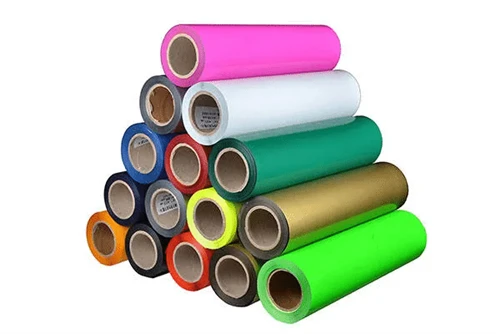
From a supply chain perspective, TPU film is available in a range of specifications including thickness, width, color, and surface finish. Buyers evaluating TPU film price should consider not only the upfront cost but also processing efficiency, waste reduction potential, and long-term durability, all of which influence total cost of ownership. Reputable TPU film suppliers provide technical data sheets, certificates of analysis, and application support to help customers select the appropriate grade for their specific requirements.
The global TPU film market is projected to continue expanding, supported by trends in sustainable materials, lightweighting, and high-performance consumer products. As manufacturers invest in recycling infrastructure and bio-based feedstock capabilities, TPU film is expected to strengthen its position as a material of choice for industries balancing performance, cost, and environmental responsibility.