Disperse dyes, as a class of synthetic dyes specifically designed for hydrophobic fibers, play an irreplaceable role in modern textile and related industries. Their importance lies not only in meeting the coloring needs of specific substrates but also in promoting the high-quality development of the synthetic fiber industry, enriching product color expression, and contributing to the achievement of green manufacturing goals.
Firstly, disperse dyes are the core materials for coloring synthetic fibers such as polyester. Polyester fibers, due to their excellent mechanical properties and durability, dominate in fields such as clothing, home textiles, industrial fabrics, and automotive interiors. However, these fibers are highly hydrophobic and crystalline, making it difficult for conventional water-soluble dyes to penetrate and fix. Disperse dyes, with their small-molecule hydrophobic structure and suitable thermal diffusion properties, can penetrate into the fiber interior and form a stable bond under high-temperature conditions, thereby achieving bright, uniform colors and excellent wash and light fastness. Without disperse dyes, the coloring application of polyester fibers would not be able to achieve large-scale and diversified applications.
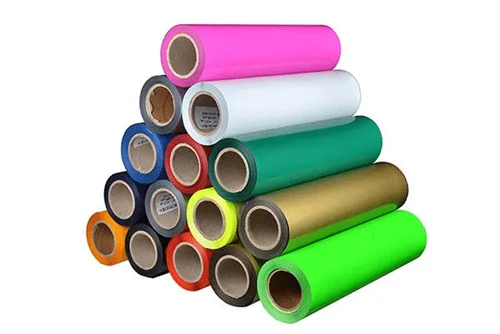
Secondly, disperse dyes support the high added value and fashion innovation of synthetic fiber products. Its wide color gamut coverage allows for a full range of colors, from light to dark and from bright to muted, providing designers with ample creative space. High-end sportswear, outdoor apparel, functional textiles, and personalized printed products all rely on disperse dyes to achieve precise color expression and long-lasting performance, thereby enhancing market competitiveness.
Furthermore, disperse dyes offer significant advantages in process adaptability and production efficiency. Mature processes such as high-temperature, high-pressure, hot-melt, and carrier-based processes can meet the needs of continuous, large-scale dyeing and printing, ensuring controllable color differences and stable production operation, helping companies reduce energy consumption and overall costs.
In the context of sustainable development, the importance of disperse dyes extends further to green transformation. The research and promotion of new low-toxicity, easily degradable disperse dyes and supporting environmentally friendly processes can reduce wastewater discharge and harmful substance residues, complying with increasingly stringent global ecological regulations and brand green procurement requirements.
In conclusion, disperse dyes are not only an indispensable material for coloring synthetic fibers but also a key link connecting fiber performance, product innovation, and environmentally friendly production, playing a fundamental and far-reaching role in promoting the upgrading of the textile industry and meeting diverse market demands.