In the production, distribution, and application of dyes, appearance characteristics are one of the fundamental indicators for judging their type, purity, and processing status. Although the core value of dyes lies in their chemical properties and color-developing ability, their appearance, color performance, and physical state often provide users with intuitive preliminary information and play an auxiliary role in quality control and process matching.
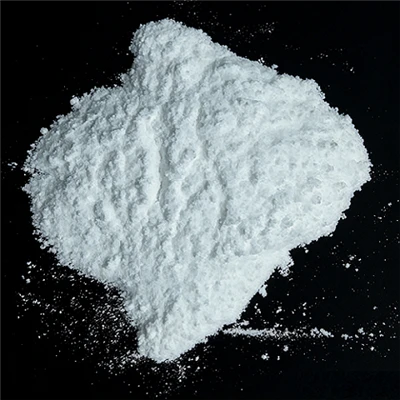
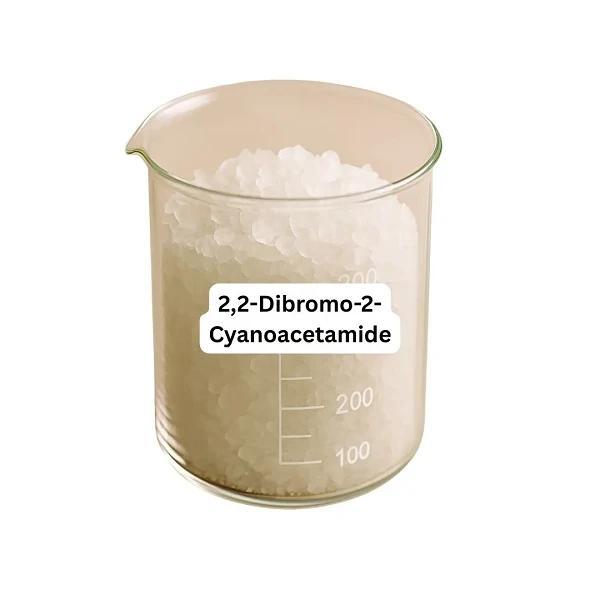
The appearance characteristics of dyes are first reflected in their physical form. Common dyes can be in various forms such as powder, granules, liquid, and paste. Powder dyes are mostly fine particles that have been dried, crushed, and sieved; the uniformity of particle size distribution directly affects their dissolution rate and dispersion effect. Granular dyes improve flowability and dust-proof performance through granulation processes, facilitating automatic weighing and conveying. Liquid dyes are usually concentrated systems pre-dissolved or dispersed in water and can be directly used in continuous dyeing processes; their transparency and uniformity reflect the stability of the preparation process. Paste dyes form a high-viscosity suspension based on pigments and polymeric dispersants, and are commonly found in special printing and coating fields.
Color and gloss are another key dimension of dye appearance. The color of a pure dye should match its nominal hue, and there should be no obvious color difference or graying under uniform light. High-quality dye powders have a full color and are free of impurities, while liquid dyes should be clear or slightly opalescent, without layering, sedimentation, or flocculation. Although gloss is not a primary evaluation point for all dyes, in some dyes used for surface coating, moderate gloss can enhance visual texture, while excessive reflection or uneven gloss may indicate poor dispersion or abnormal particle size.
The appearance characteristics of dyes are also closely related to impurity content and processing level. Dyes containing more mechanical impurities or unreacted intermediates often appear as discolored particles or spots in powder form; if liquid dyes have suspended matter or a cloudy color, it may be due to incomplete filtration or improper storage conditions. Furthermore, clumping, deliquescence, and layering directly affect the accuracy of weighing and the uniformity of dyeing, and must be prevented during storage, transportation, and use.
It is important to note that appearance characteristics can only serve as a preliminary basis for judgment and cannot replace the evaluation of physicochemical indicators such as spectral analysis, chromatographic detection, and fastness testing. Different types of dyes exhibit distinct appearances due to differences in molecular structure and dispersion media; users should make a comprehensive judgment based on the dye type and application scenario when identifying them.
Generally speaking, the appearance characteristics of dyes encompass aspects such as morphology, color, gloss, and purity. They serve as a direct reference for production and quality inspection processes and are also prerequisites for ensuring the stability of subsequent processes. Systematic observation and control of these characteristics can reduce quality fluctuations at the source, supporting the efficient operation of the dyeing and finishing industry and related sectors.